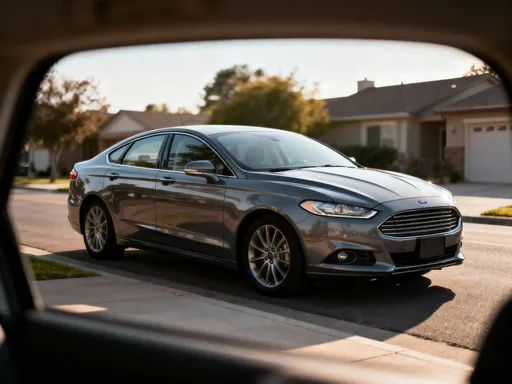
Drive Your Dreams Without Breaking the Bank
Buying a car is exciting—but funding it shouldn’t mean financial stress. I’ve seen people jump into payments they couldn’t sustain, only to regret it later. Through trial and error, I learned how smart planning turns car ownership from a burden into a win. This guide shares practical steps to save smarter, avoid hidden traps, and build confidence in your financial choices—because your dream car shouldn’t drive you into debt. It’s not about waiting forever or denying yourself joy. It’s about aligning your spending with your long-term peace of mind. With the right approach, you can enjoy the freedom of the open road without the weight of monthly anxiety. Let’s explore how to make that possible, one smart decision at a time.
The Real Cost of That New Car Smell
When most people picture buying a car, they focus on the number displayed on the window sticker—the advertised price that seems manageable with the right financing plan. But this narrow view overlooks a much broader financial picture. The true cost of car ownership extends far beyond the purchase price. It includes insurance premiums, registration fees, fuel expenses, routine maintenance, unexpected repairs, and one of the most underestimated factors: depreciation. A vehicle begins losing value the moment it leaves the lot, often dropping 20% or more in the first year alone. Over five years, a car may retain only half its original value, meaning thousands of dollars vanish simply due to time and use.
Consider a $20,000 compact SUV. On paper, it appears affordable, especially if monthly payments are around $350. But add in full-coverage insurance averaging $1,200 per year, fuel costs based on 12,000 miles annually and current gas prices, registration and taxes, oil changes, tire rotations, and eventual brake replacements. Over five years, these recurring costs can easily add $10,000 or more. Suddenly, what seemed like a $20,000 investment becomes closer to a $30,000 obligation. This reality catches many off guard, especially those who budget only for the loan payment and forget the ongoing demands of ownership.
Understanding this full scope transforms the way you approach the buying process. It shifts the mindset from “Can I afford the payment?” to “Can I afford the total responsibility?” This awareness is the foundation of financial clarity. It encourages buyers to look beyond brand appeal or flashy features and consider long-term sustainability. By mapping out all expected costs in advance, you gain control over your budget rather than reacting to surprises later. This proactive stance doesn’t diminish the joy of driving a new car—it protects it by ensuring the experience remains positive, not stressful.
Moreover, recognizing the full cost empowers smarter decisions. You might choose a slightly less expensive model with better fuel efficiency or lower insurance rates. You could opt for a reliable used vehicle instead of a new one, avoiding the steepest part of the depreciation curve. Or you might delay the purchase to build a stronger financial cushion. Each of these choices reflects a deeper understanding of value. When you see the complete financial footprint of car ownership, you’re better equipped to align your dream with your reality—making the journey toward ownership not just exciting, but responsible.
Why Saving Beats Financing (Even When It Feels Slow)
Financing a car offers immediate gratification—driving off the lot today with just a down payment and a promise to pay later. It feels convenient, even normal, in a culture that often equates access with ownership. But convenience comes at a price. When you finance, you’re not only paying for the car; you’re also paying for the privilege of having it now. Interest charges, loan fees, and extended repayment terms can add thousands of dollars to the final cost. A $20,000 car with a 5% interest rate over five years costs nearly $2,800 in interest alone. That’s like buying an entire second vehicle every decade just to maintain the habit of instant ownership.
Saving up may feel slower, even outdated in an era of digital credit and instant transactions. Yet it delivers a different kind of power: freedom. When you pay in full, you avoid interest payments entirely. You own the car from day one, which means no lienholder, no repossession risk, and no monthly reminder of debt. More importantly, the act of saving builds financial discipline. It strengthens your ability to delay gratification, a skill linked to long-term wealth and stability. Research in behavioral economics shows that individuals who practice delayed rewards tend to make more thoughtful financial decisions across all areas of life—from housing to retirement planning.
The emotional benefits are just as significant. There’s a quiet confidence that comes from knowing you’ve earned what you drive. No anxiety about job loss affecting payments, no stress over missed due dates, no calls from collections. Instead, there’s pride in self-reliance. This sense of control often leads to better care of the vehicle, too. Owners who save tend to maintain their cars more diligently, extending their lifespan and maximizing value. They’re also less likely to overspend on add-ons or upgrades because they’ve already demonstrated restraint.
Of course, saving requires patience. It means resisting the urge to keep up with trends or social expectations. But the trade-off is real security. And the process doesn’t have to be painful. With a structured plan, automated contributions, and small lifestyle adjustments, saving becomes a background habit rather than a hardship. Over time, watching the balance grow provides its own kind of motivation—a tangible measure of progress. In the end, the few extra months or years of waiting pay dividends in peace of mind, flexibility, and long-term financial health. Saving isn’t about missing out; it’s about gaining something far more lasting than a new car smell—it’s about financial freedom.
Building Your Car Fund: A No-Stress Strategy That Actually Works
One of the biggest obstacles to saving for a car isn’t lack of income—it’s lack of a clear, flexible plan. Many people set rigid goals like “Save $15,000 in 18 months” and feel defeated when life gets in the way. A more effective approach is to create a realistic, adaptable strategy that accounts for real-world fluctuations. Start by defining a target range instead of a fixed number. For example, aim for $12,000 to $16,000 depending on market conditions and vehicle availability. This flexibility reduces pressure and allows room for adjustments without abandoning the goal entirely.
Automation is one of the most powerful tools in building a car fund. Setting up a direct deposit from your paycheck into a dedicated savings account removes the temptation to spend elsewhere. Even small amounts—$100 or $150 per week—add up significantly over time. Within a year, consistent weekly contributions can reach nearly $8,000. The key is consistency, not size. Regular deposits, no matter how modest, create momentum. Over time, they compound not just in dollars but in confidence. Each deposit reinforces the habit, making it easier to stay the course.
Lifestyle adjustments don’t have to mean drastic sacrifices. Instead of cutting out all discretionary spending, identify low-impact changes that free up funds without diminishing quality of life. For instance, brewing coffee at home just three days a week can save over $500 a year. Packing lunch occasionally, reducing streaming subscriptions, or skipping impulse purchases at checkout add up. These small shifts are sustainable because they don’t feel punitive. They become part of a mindful spending rhythm that supports larger goals.
Another effective tactic is redirecting windfalls. Tax refunds, work bonuses, cash gifts, or even proceeds from selling unused household items can give your car fund a meaningful boost. Rather than treating these as “extra” money to spend freely, designate them as accelerators for your goal. A $2,000 tax refund, for example, can cover more than a tenth of a $15,000 target. Similarly, canceling an old gym membership or unused app subscription might only save $20 a month, but over two years, that’s nearly $500 reinvested toward your car.
The goal isn’t perfection—it’s progress. Some months will be tighter than others. Emergencies happen. The point is to maintain forward motion without self-judgment. If you need to pause for a month, adjust the timeline rather than quit. This mindset fosters resilience. Over time, the process itself becomes empowering. You’re not just saving for a car; you’re building a financial muscle that will serve you in every area of life. When the day finally comes to make the purchase, you’ll know you did it with intention, discipline, and strength.
Where to Park Your Car Money While You Save
Once you start saving, the next question is where to keep the money. Not all savings vehicles are created equal, especially when you’re working toward a specific, medium-term goal like buying a car. The ideal place balances safety, accessibility, and modest growth. Your car fund should not be exposed to market volatility, so investing in stocks or mutual funds is generally too risky. At the same time, letting money sit in a basic checking account means missing out on potential interest earnings. The solution lies in secure, liquid options designed for short- to mid-term goals.
High-yield savings accounts are among the best choices. Offered by online banks and credit unions, they typically provide significantly higher interest rates than traditional brick-and-mortar institutions—sometimes five to ten times higher—while maintaining FDIC or NCUA insurance up to $250,000. These accounts allow easy access to funds when needed, with no penalties for withdrawal. They’re perfect for storing your car savings because they protect your principal while letting it grow steadily. Even at a modest annual percentage yield, consistent deposits benefit from compound interest over time, adding hundreds of dollars to your total without any additional effort.
Short-term certificates of deposit (CDs) are another option, particularly if you have a clear timeline. A 12- or 18-month CD locks in your money at a fixed interest rate, often slightly higher than high-yield savings accounts. The trade-off is limited access—early withdrawal usually incurs a penalty. Therefore, CDs work best when you’re confident about your purchase date and won’t need the funds unexpectedly. To maintain liquidity, some savers use a CD ladder, spreading deposits across multiple terms so part of the money becomes available at regular intervals. This strategy balances growth and flexibility.
Money market accounts are a third alternative, blending features of savings and checking accounts. Many offer check-writing privileges, debit cards, and competitive interest rates, all with federal insurance protection. They’re ideal for those who want to earn more than a standard savings account while retaining spending access. However, they may require higher minimum balances or limit transactions, so it’s important to review the terms carefully.
Regardless of the option you choose, the priority is capital preservation. The goal isn’t to maximize returns at the expense of risk. A car fund should remain safe and available when the time comes to buy. By selecting the right savings vehicle, you ensure that every dollar saved stays intact and ready to work for you. This thoughtful approach reflects the same discipline that defines the entire process—smart, cautious, and forward-thinking.
Timing the Purchase: When to Buy for Maximum Value
Timing can significantly influence the final price of a car. While demand may be steady year-round, pricing is not. Dealerships operate on sales quotas, often tied to monthly, quarterly, or annual targets. This creates predictable windows when incentives are higher and negotiation power shifts toward buyers. Understanding these cycles allows you to plan your purchase strategically, potentially saving hundreds or even thousands of dollars.
The end of the calendar year—particularly November and December—is one of the best times to buy. Sales teams are pushing to meet annual goals, and dealerships need to clear space for incoming inventory. This urgency often leads to deeper discounts, manufacturer rebates, and more flexible financing offers. Similarly, the end of each quarter—March, June, September—can yield favorable deals as regional targets come into focus. These periods align with corporate reporting cycles, making them natural pressure points for sales performance.
Holiday weekends also present opportunities. Labor Day, Memorial Day, and Presidents’ Day are commonly promoted with special sales events. While not every deal is exceptional, the marketing focus increases competition among dealers, which can benefit consumers. Black Friday, once reserved for electronics, now includes auto promotions as well. These events often feature low financing rates or cash-back incentives, though it’s important to read the fine print and ensure the offer applies to the model you want.
Model year transitions offer another strategic entry point. When new models arrive, usually in late summer or early fall, dealers discount outgoing versions to make room. These previous-year vehicles often include the same core features but at a reduced price. For buyers who don’t need the latest trim or technology, this can represent excellent value. Waiting even a few months into the new model cycle can amplify savings, as remaining older units are marked down further.
Market conditions also play a role. Periods of high inventory or slowing demand tend to favor buyers. Conversely, supply shortages—such as those seen during global chip shortages—can lead to inflated prices and limited negotiation room. Staying informed about broader automotive trends helps you avoid peak markup periods and identify when the market is working in your favor. By aligning your purchase with these timing advantages, you increase the likelihood of securing a fair, even favorable, deal—turning good planning into real savings.
Avoiding the Traps: Common Mistakes That Drain Your Budget
Even well-prepared buyers can fall into costly traps during the car-buying process. Dealerships are skilled at presenting add-ons and financing options that sound beneficial but often serve their interests more than yours. One of the most common pitfalls is the extended warranty. While mechanical protection may seem appealing, these warranties are typically overpriced and come with restrictive terms. Many repairs they cover are either rare or inexpensive to fix. In most cases, setting aside money in a personal maintenance fund proves more cost-effective than purchasing an extended contract.
Another frequent trap is the financing add-on: credit insurance, maintenance packages, or paint protection plans. These are often presented as “one-time” purchases but can add $1,000 or more to the loan balance. Because they’re rolled into financing, you end up paying interest on them over years, inflating the total cost far beyond their initial price. Worse, some of these products offer little real value. Paint protection, for instance, is often just a high-priced version of what a quality wax or ceramic coating can achieve at a fraction of the cost.
Rolling negative equity into a new loan is another serious mistake. If you owe more on your current car than it’s worth and trade it in, the remaining balance may be added to the new loan. This practice, known as “rolling over” debt, immediately puts you underwater on the next vehicle. It increases monthly payments, extends debt duration, and limits future flexibility. The better approach is to continue paying down the current loan while saving for the next car, avoiding the cycle of perpetual negative equity.
Overestimating trade-in value is equally problematic. Online valuation tools provide guidance, but actual offers can vary. Some buyers assume their car is worth top retail price when dealers typically pay wholesale. Disappointment can lead to stretching the budget to compensate. To avoid this, get multiple quotes, including from online buyers, and treat trade-in proceeds as a bonus rather than a budget foundation. Similarly, avoid leasing with the intention to buy later unless terms are clearly favorable. Leases often come with mileage limits, wear-and-tear fees, and higher long-term costs compared to buying outright.
Awareness is the best defense. Going into the dealership with a clear budget, a pre-approved loan (if financing), and a firm understanding of what you need—not what’s being sold—keeps you in control. Walking away is always an option. By recognizing these common traps, you protect not just your wallet but your confidence as a savvy consumer.
From Savings to Ownership: Making the Final Move Confidently
After months of disciplined saving, the moment to buy finally arrives. This stage requires careful preparation to ensure a smooth transition from saver to owner. First, confirm that your full purchase amount is available and accessible. If using a high-yield savings account, initiate any necessary transfers in advance to avoid delays. Have documentation ready, including identification, proof of address, and insurance information. Being organized reduces stress and speeds up the process.
Before finalizing the deal, verify the vehicle’s history. Request a report from a reputable provider that details past ownership, accident records, service history, and title status. A clean report provides peace of mind; any red flags warrant further investigation or reconsideration. For used cars, a pre-purchase inspection by a trusted mechanic is a wise investment. It can uncover hidden issues that might lead to costly repairs down the road.
Insurance must be secured before driving off the lot. Shop around for coverage that fits your needs and budget. Full coverage is typically required for financed vehicles but remains a smart choice even when paying cash, as it protects your investment. Compare quotes from multiple providers and consider bundling with home or renters insurance for potential discounts. Make sure the policy starts on the day of purchase.
When reviewing the contract, read every line carefully. Ensure the price matches your agreed amount, with no unexpected fees or add-ons. Check the total due, payment method, and any included warranties or services. If anything is unclear, ask for clarification. Don’t feel pressured to sign quickly. A reputable seller will allow time for review. Once signed, keep copies of all documents in a secure place.
This moment is more than a transaction—it’s a milestone. You’ve demonstrated patience, discipline, and foresight. There’s deep satisfaction in driving away in a car you fully own, knowing it was earned through careful planning rather than borrowed against your future. That confidence doesn’t end with the purchase; it carries forward into every financial decision you make from here on.
Freedom on Four Wheels, Funded the Smart Way
Owning a car doesn’t have to mean living with debt. With foresight, structure, and consistent effort, it can become a powerful symbol of financial maturity. The journey from dreaming about a vehicle to holding the keys is about more than transportation—it’s about mastering your relationship with money. Each step—understanding true costs, choosing savings over instant financing, building a realistic fund, protecting your capital, timing the market, avoiding traps, and closing the deal with confidence—contributes to a larger narrative of empowerment.
This approach isn’t about deprivation or perfection. It’s about intention. It recognizes that financial well-being isn’t measured solely by what you own, but by how you acquired it. When you fund your dreams responsibly, you gain not just a car, but lasting peace of mind. You prove to yourself that patience pays off, that discipline leads to freedom, and that smart choices compound over time.
The road ahead is yours to navigate—with clarity, confidence, and control. And that, more than any feature or horsepower rating, is the true engine of a life well driven.