How I Navigated Unemployment with Smart Market Moves
When I lost my job last year, panic hit hard. But instead of freezing, I leaned into market trends to protect what I had—and even grow it. This isn’t a get-rich-quick story; it’s about real moves I made during a tough time. If you're facing unemployment or fear it, this guide shares practical, expert-backed strategies that helped me stay afloat and prepared for the future. It’s not about luck or timing the market perfectly—it’s about making thoughtful, informed decisions when emotions run high. The truth is, financial resilience isn’t built in prosperity; it’s forged in moments of uncertainty.
The Moment Everything Changed
The layoff came without warning. One morning, I was reviewing project timelines; by noon, I was packing my desk. The silence that followed was deafening. No severance, no transition plan—just a handshake and a door closing behind me. In that moment, the foundation of my daily life seemed to crumble. The immediate fear wasn’t just about missing a paycheck—it was about losing control. How would I cover the mortgage? Could I keep my children in their school? Would I have to dip into retirement savings?
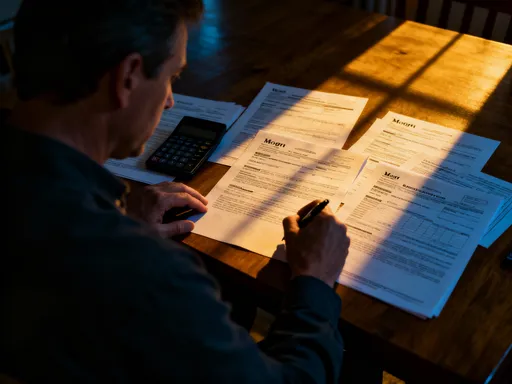
But as the initial shock wore off, a quiet determination set in. I realized that while I couldn’t control the job market or corporate decisions, I could control my response. That shift—from victim to strategist—was everything. I gave myself 48 hours to feel the emotions, to grieve the loss of stability. Then I sat down with a notebook and began mapping out what I could influence: my spending, my financial habits, and how I managed my existing assets. This wasn’t about denial; it was about focus. I started by auditing every dollar I had—checking accounts, investment portfolios, retirement funds, even forgotten savings bonds. Knowledge, I quickly learned, was the first line of defense.
What surprised me most was how passive my finances had become. Before the layoff, I’d set up automatic contributions and assumed everything was “taken care of.” But now, I needed clarity. I listed every asset, its current value, and its liquidity. I categorized expenses into essentials and non-essentials. This exercise didn’t just reveal numbers—it revealed patterns. I saw how much I was spending on convenience, subscriptions I no longer used, and impulse purchases that added up over time. More importantly, I saw how unprepared I was for a true financial emergency. My emergency fund existed, but it was too small and not easily accessible. That realization became the catalyst for change.
Why Market Awareness Beats Panic in a Crisis
One of the most dangerous impulses during unemployment is the urge to retreat from the market. When income stops, the instinct is to pull everything into cash—hide it, protect it, make it feel safe. I almost made that mistake. The headlines were grim: stock declines, recession warnings, rising unemployment claims. My first thought was to sell my investments and wait it out. But then I paused. I remembered a lesson from a financial advisor I’d spoken to years earlier: “The market rewards patience, not panic.”
I began reading more—reputable sources like the Federal Reserve reports, Bureau of Labor Statistics, and long-term economic analyses. What I found was both sobering and reassuring. History shows that markets move in cycles. Every major downturn—2008, 2001, even the 1970s stagflation—was followed by recovery. The key wasn’t avoiding the drop; it was avoiding the mistake of selling at the bottom. Investors who held steady or strategically rebalanced often came out ahead. Panic selling locks in losses. Staying informed allows for strategic adjustments.
So I resisted the urge to liquidate. Instead, I assessed my portfolio with fresh eyes. I asked myself: What is this investment for? Is it long-term growth, income generation, or short-term liquidity? I realized that my retirement accounts were designed for decades, not days. Selling them now would mean tax penalties and lost compounding—exactly what I couldn’t afford. Rather than retreating, I chose to observe. I tracked market sentiment, not to time the bottom, but to understand the broader picture. This awareness didn’t eliminate stress, but it replaced fear with agency. I wasn’t powerless—I was watching, learning, and preparing to act when the time was right.
Building a Financial Shock Absorber
One of the most important lessons I learned was the difference between having savings and having a functional emergency fund. Before my job loss, I had money in a savings account—enough to cover a few months of expenses, I thought. But when I reviewed it closely, I realized it wasn’t structured for real emergencies. It was earning minimal interest, and transferring funds took days. In a crisis, that delay could mean missing a payment or incurring fees.
I decided to rebuild my emergency fund with three principles in mind: liquidity, safety, and responsiveness. Liquidity meant I could access the money within 24 to 48 hours. Safety meant preserving capital—no high-risk ventures. Responsiveness meant the fund could adapt to inflation or interest rate changes without losing value. I moved a portion into high-yield savings accounts offered by established financial institutions. These accounts are FDIC-insured, so my principal was protected, but they offered better returns than traditional savings. I also allocated a small amount to short-term Treasury securities, which are backed by the U.S. government and provide predictable returns.
This new structure didn’t generate massive returns, and that wasn’t the goal. The goal was to create a financial buffer that could absorb shocks without forcing me into bad decisions. For example, when my car needed unexpected repairs, I didn’t have to sell stocks or use a high-interest credit card. I dipped into the emergency fund, repaired the car, and continued job searching without added stress. That breathing room was priceless. It allowed me to negotiate job offers from a position of strength, not desperation. I also set a clear rule: this fund was for true emergencies—job loss, medical issues, essential home repairs—not dining out or vacations. That discipline kept it intact and ready for real crises.
Turning Market Trends into Personal Strategy
With my emergency fund in place, I turned my attention to my investments. I didn’t have the luxury of ignoring the market, but I also couldn’t afford to obsess over daily fluctuations. Instead, I adopted a disciplined approach to tracking trends—focusing on signals that mattered, not noise. I paid attention to inflation data, Federal Reserve interest rate decisions, unemployment reports, and sector performance. These weren’t abstract numbers; they were clues about where the economy was headed.
For instance, when inflation rose, I noticed that certain sectors—like consumer staples and utilities—held their value better than others. These industries provide essential goods and services, so demand remains relatively stable even during downturns. I used this insight to rebalance my portfolio. I reduced exposure to highly speculative tech stocks and increased allocations to dividend-paying companies with strong balance sheets. This wasn’t about chasing trends; it was about aligning my holdings with economic reality.
I also explored index funds that tracked broad market performance. These funds offer diversification, which reduces risk, and they typically have lower fees than actively managed funds. By investing small, regular amounts into these funds—what’s known as dollar-cost averaging—I reduced the risk of buying at a peak. Over time, as the market stabilized, these positions began to recover. More importantly, they generated modest but steady returns, including dividends that I reinvested. This approach didn’t make me rich overnight, but it kept my wealth from eroding and gave me a sense of progress during a stagnant period.
The Hidden Opportunity in Economic Downturns
Unemployment felt like a personal failure at first, but over time, I began to see it differently. Economic downturns, while painful, often create opportunities for those who can act with clarity. When markets decline, quality assets become undervalued. Stocks of solid companies may drop not because of poor performance, but because of widespread fear. This disconnect between price and value is where careful investors can find long-term gains.
I started researching companies with strong fundamentals—consistent earnings, low debt, and reliable cash flow. I looked for those paying dividends, as this provided a small income stream even while I was unemployed. One example was a utility company that had dropped 20% due to broader market concerns, but whose customer base and revenue remained stable. I made a modest investment, not based on speculation, but on analysis. I didn’t bet everything—I invested an amount I could afford to hold for years.
Over the next 12 months, that investment appreciated and continued paying dividends. It wasn’t a windfall, but it was meaningful. It proved that even in hard times, disciplined investing could work in my favor. I repeated this process cautiously with a few other opportunities—always within my risk tolerance, always with a long-term view. These moves didn’t replace my salary, but they helped offset expenses and restored a sense of control. I learned that financial resilience isn’t just about cutting costs—it’s also about finding small, sustainable ways to grow wealth, even in adversity.
Avoiding the Traps Everyone Falls Into
During unemployment, the pressure to “do something” can be overwhelming. I saw friends sell investments at a loss, take on high-interest loans, or dip into retirement accounts. I almost made the same mistakes. One evening, I clicked on an online ad promising “10% monthly returns with no risk.” The website looked professional, with testimonials and charts. For a moment, I considered it. But then I asked myself: If this opportunity were truly risk-free and that profitable, why would it be advertised online? Real investment opportunities don’t need mass marketing.
I walked away. That decision likely saved me thousands. I later learned the offer was a classic Ponzi scheme—paying early investors with money from new ones, until it collapsed. Stress makes people vulnerable to these traps. Scammers target those in financial distress, offering false hope and quick fixes. I also resisted the urge to withdraw from my 401(k). While the IRS allows penalty-free withdrawals under certain hardship conditions, I knew the long-term cost would be high. Not just in taxes, but in lost growth. A dollar withdrawn today could mean ten dollars less in retirement due to compounding.
Another trap was lifestyle inflation in reverse—spending on things that felt like security but weren’t. I noticed myself buying more groceries than needed, as if stocking up could solve uncertainty. I canceled unused subscriptions, stopped eating out, and even negotiated lower rates on my internet and insurance. These small cuts added up. More importantly, they reinforced discipline. I learned that financial survival isn’t about extreme deprivation—it’s about intentional choices. Every dollar spent should have a purpose. Every financial decision should align with long-term goals, not short-term emotions.
Preparing for the Next Chapter—No Matter What
Today, I’m employed again. But I’m not the same person I was before the layoff. The experience changed my relationship with money. I no longer see income as guaranteed or savings as a passive activity. I maintain a lean budget, even with a steady paycheck. I continue to monitor economic trends, not out of anxiety, but out of awareness. I’ve automated contributions to my emergency fund and retirement accounts, ensuring consistency. I also review my financial plan quarterly, adjusting for life changes and market conditions.
Most importantly, I’ve built resilience. I know that another job loss could happen—it’s not a matter of if, but when, for many people. But now I have a plan. I have cash reserves, a diversified portfolio, and the emotional tools to stay calm under pressure. I’ve shared these strategies with friends and family, especially other women in their 30s to 50s who manage household finances. Many feel invisible in financial conversations, as if these topics are too complex or intimidating. But the truth is, financial security isn’t about being an expert—it’s about being consistent, informed, and proactive.
Unemployment didn’t break me. It taught me how to adapt, how to lead with strategy instead of fear. It showed me that even in the darkest financial moments, there are steps you can take to protect yourself and prepare for the future. You don’t need perfect timing or a huge nest egg. You need clarity, discipline, and the courage to act when others freeze. If you’re facing uncertainty today, know this: you are not powerless. With the right mindset and practical steps, you can navigate this challenge—and emerge stronger on the other side.