Steeped in Value: Uncovering the Hidden Market Behind Tea Investing
Ever wondered if your morning cup could be more than just a brew? I stumbled into tea investment after years of chasing stocks and crypto, only to find a quiet, under-the-radar market with real potential. It’s not about quick flips—it’s patience, provenance, and knowing what to watch. Let me walk you through what I learned, the traps I barely avoided, and why this niche might surprise you. Unlike flashy digital currencies or unpredictable equities, tea investing operates on principles of time, care, and authenticity. It’s a world where value grows quietly, unnoticed by most, yet deeply rewarding for those who understand its rhythm. This is not speculation—it’s stewardship.
The Quiet Rise of Tea as a Financial Asset
Tea has long been revered for its cultural and ceremonial significance across Asia, but in recent decades, it has quietly emerged as a legitimate financial asset. Particularly in regions like China, Taiwan, and parts of Southeast Asia, certain types of tea—most notably aged Pu-erh—have demonstrated consistent appreciation over time. Unlike perishable goods or mass-produced commodities, high-grade teas that are properly stored can improve with age, much like fine wine or vintage spirits. This unique characteristic allows them to transcend mere consumption and enter the realm of collectible assets. The transformation from daily ritual to investment vehicle did not happen overnight; it evolved from centuries of tradition, where tea was often gifted, preserved, and passed down through generations as a form of wealth preservation.
The economic logic behind tea as an asset class rests on three pillars: scarcity, craftsmanship, and demand. Scarcity arises from limited harvests, especially from ancient tea trees found in remote mountainous regions such as Yunnan Province. These trees, some hundreds of years old, produce leaves with complex flavor profiles that cannot be replicated by younger plantations. Craftsmanship plays an equally vital role—traditional processing methods, often passed down through families, require skill, time, and attention to detail. When combined with rising global interest in wellness, authenticity, and sustainable luxury, the stage is set for sustained demand. Collectors and investors alike are beginning to recognize that well-preserved, high-quality tea can offer both cultural richness and financial return.
What makes tea particularly compelling is its resistance to the volatility that plagues many modern asset classes. While stock markets swing with news cycles and cryptocurrencies respond to speculative sentiment, the value of aged tea tends to grow steadily over long periods. There is no algorithmic trading in tea markets, no flash crashes, and no leveraged derivatives. Instead, appreciation occurs through natural aging and increasing recognition of quality. In this sense, tea functions more like art or antiques—its worth is determined not by daily trading volumes but by provenance, condition, and historical significance. As more investors seek alternatives to traditional financial instruments, especially in times of inflation or currency devaluation, tea presents a tangible, portable, and enduring store of value.
What Drives the Price of Investment-Grade Tea?
Not all tea holds investment potential. The difference between a $5 supermarket blend and a $500 cake of aged Pu-erh lies in a combination of origin, processing, age, and storage. Among these, origin is perhaps the most foundational factor. Teas sourced from specific microclimates—such as the Six Great Tea Mountains of Yunnan—are prized for their terroir, a term borrowed from viticulture that refers to the environmental conditions influencing flavor. Soil composition, altitude, rainfall patterns, and biodiversity all contribute to the uniqueness of the leaf. When the source is a protected area with strict harvesting practices, the scarcity increases, thereby enhancing market value.
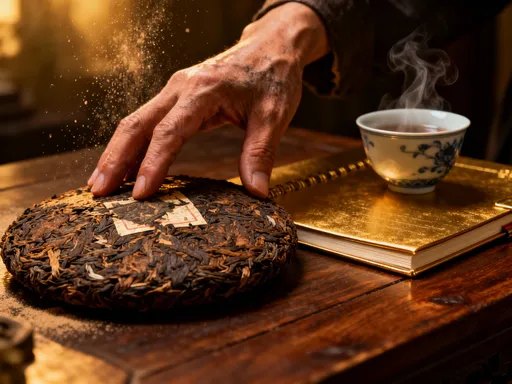
Processing method is equally critical. For example, raw (sheng) Pu-erh undergoes minimal oxidation and is left to ferment slowly over decades, developing deeper, more complex notes over time. In contrast, ripe (shou) Pu-erh is artificially fermented in a controlled environment to accelerate aging, making it more accessible for immediate consumption but generally less valuable for long-term investment. True connoisseurs and investors favor sheng Pu-erh because its aging potential is greater and less predictable, allowing for rare vintages to emerge. The craftsmanship involved—from sun-drying the leaves to hand-pressing them into cakes—affects both the tea’s longevity and its desirability among collectors.
Age and storage conditions complete the picture. A tea’s value typically begins to rise after ten years and peaks between 20 and 30 years, assuming it has been stored correctly. Ideal storage requires stable temperature and humidity levels, absence of strong odors, and protection from direct sunlight. Poor storage—such as keeping tea in a damp basement or near spices—can lead to mold or flavor contamination, effectively destroying its investment worth. Therefore, proper preservation is not just a recommendation; it is a financial necessity. Investors must treat their tea not as a pantry item but as a delicate asset requiring careful environmental control, much like fine art or rare books.
Spotting the Difference: Consumer Tea vs. Investment Tea
The average consumer buys tea for immediate enjoyment—flavor, aroma, and convenience are the primary concerns. Supermarket brands, tea bags, and flavored blends dominate this space, designed for quick brewing and short shelf life. These products are not intended to age, nor do they possess the characteristics necessary for long-term value retention. In contrast, investment-grade tea is selected with foresight. It is typically sold in compressed forms—cakes, bricks, or沱 (tuó) shapes—that protect the leaves from air and moisture while allowing gradual oxidation. These formats also make authentication and traceability easier, which is crucial for resale.
One of the most important distinctions lies in documentation. Reputable producers of investment tea often include batch numbers, harvest dates, region of origin, and even the name of the artisan or tea master responsible for processing. This information serves as a certificate of authenticity, much like a provenance record for a painting. Without such details, it becomes difficult to verify the tea’s history, opening the door to counterfeits or misrepresentation. Some high-end teas come with accompanying certificates or QR codes that link to verification databases, adding an extra layer of security for buyers.
Packaging also signals intent. Consumer teas are usually sealed in foil pouches or cardboard boxes meant for retail display, while investment teas are wrapped in traditional paper—often handmade—and sometimes stored in breathable bamboo tubes or wooden cabinets. The materials themselves are chosen to allow micro-airflow, which supports slow aging. Moreover, limited edition releases, especially those tied to specific harvests or festivals, carry additional prestige. Just as a rare wine vintage commands attention, so too does a tea harvested during a particularly favorable season or from a historically significant garden. Recognizing these subtle cues helps investors avoid confusing everyday consumption products with genuine assets.
How to Enter the Market Without Burning Your Budget
Starting a tea investment portfolio does not require a large initial outlay, but it does require thoughtful planning. The key is to begin small, focusing on quality rather than quantity. Newcomers should consider purchasing modest quantities of well-documented, age-worthy teas—such as raw Pu-erh from reputable estates or cooperatives. These early acquisitions serve as both learning tools and foundational assets. Over time, as knowledge deepens and confidence grows, investors can expand their holdings strategically. Avoiding the temptation to overcommit early is essential; the market rewards patience, not haste.
Sourcing is another critical consideration. With the rise of e-commerce, it has become easier to access teas from remote regions, but it has also increased exposure to counterfeit or misrepresented products. To mitigate risk, buyers should prioritize suppliers with verifiable reputations—those with transparent sourcing practices, customer reviews, and a history of working directly with tea farmers. Attending tea exhibitions, joining collector forums, or consulting with experienced mentors can provide valuable insights and help identify trustworthy vendors. In some cases, purchasing through auction houses or certified dealers offers added assurance, though it may come at a premium.
Storage must be addressed from the outset. Even the finest tea will lose value if improperly kept. Ideal conditions include a cool, dry environment with moderate humidity (between 60% and 70%) and minimal temperature fluctuations. Many investors use dedicated cabinets with humidity control or entrust their collections to professional storage services, particularly if they live in climates prone to extreme weather. Labeling each item with its acquisition date, origin, and expected aging timeline helps track progress and informs future decisions. By treating tea storage as seriously as one would treat a safety deposit box, investors protect not only their financial stake but also the integrity of the product itself.
Risk Factors Most Investors Overlook
Despite its steady appreciation, tea investing is not without risks. One of the most pervasive dangers is counterfeiting. As demand for rare vintages rises, so does the incentive to produce fakes—replica packaging, repressed cakes, or tea leaves artificially aged to mimic maturity. These fraudulent items can be difficult to detect without expert knowledge, and even seasoned collectors have fallen victim. To guard against this, due diligence is non-negotiable. Buyers should examine packaging details closely, verify batch numbers, and whenever possible, purchase from sources with a documented chain of custody.
Another often underestimated risk is degradation due to poor storage. Unlike stocks or bonds, tea is a biological material subject to environmental influences. Excessive moisture leads to mold; exposure to strong odors alters flavor; temperature swings accelerate unwanted chemical changes. Once damaged, a tea’s value plummets, and restoration is impossible. This illiquidity compounds the problem—there is no centralized exchange for tea, no real-time pricing, and no guarantee of finding a buyer when needed. Selling may take months or even years, depending on market conditions and the rarity of the item.
Emotional discipline is therefore crucial. It’s easy to panic during periods of slow appreciation or to chase after hyped vintages promoted online. However, tea investing is inherently long-term. Success depends on resisting the urge to react impulsively to short-term trends. Just as one would not sell a family heirloom in a moment of financial stress, so too should tea be viewed as a legacy asset. Building resilience against market noise and maintaining a clear strategy are essential for avoiding costly mistakes. Diversifying within the tea category—across types, origins, and vintages—can also help spread risk and enhance stability.
Real Returns vs. Hype: Separating Fact from Fiction
The internet is filled with sensational stories of tea appreciating tenfold in a few years, but such cases are outliers, not the norm. While there are documented instances of rare cakes selling for tens of thousands of dollars, these results typically involve exceptional circumstances—historical significance, impeccable provenance, and decades of careful aging. For the average investor, returns are more modest and gradual. Appreciation usually becomes noticeable after 10 to 15 years, aligning more closely with generational wealth planning than get-rich-quick schemes.
When compared to other tangible assets, tea holds a unique position. Its correlation with traditional financial markets is low, meaning it often performs independently of stock or bond movements. This makes it a useful diversification tool, especially during periods of economic uncertainty. Unlike gold, which has intrinsic value based on weight and purity, tea’s worth is tied to sensory experience and cultural perception—factors that can shift over time. Yet, within its niche, demand remains resilient, supported by a growing global appreciation for artisanal products and mindful consumption.
It’s also important to recognize that tea is not a passive income generator. Unlike dividend-paying stocks or rental properties, it does not produce cash flow. Its value is realized only upon sale, which requires timing and access to the right buyer. This illiquidity means tea should never constitute the entirety of an investment portfolio. Instead, it functions best as a complementary holding—a hedge against inflation, a cultural legacy, and a personal passion all rolled into one. Setting realistic expectations and avoiding the allure of exaggerated claims are essential for long-term success.
Building a Sustainable Tea Investment Strategy
A successful tea investment journey begins with clarity of purpose. Are you preserving a cultural heritage for your family? Seeking a tangible asset that resists inflation? Or simply cultivating a refined appreciation for one of the world’s oldest beverages? Each goal shapes the approach. Those focused on legacy might prioritize rare, historically significant vintages, while others may prefer a balanced portfolio of mid-tier teas with strong aging potential. Risk tolerance and time horizon further refine the strategy—longer timelines allow for greater patience and reduced pressure to sell at inopportune moments.
Education is an ongoing process. The tea world is vast and nuanced, with regional variations, evolving market trends, and subtle shifts in quality standards. Staying informed through books, expert talks, and community engagement helps investors make better decisions. Joining tea appreciation groups or attending tastings not only deepens knowledge but also builds connections with fellow collectors and trusted suppliers. These relationships can prove invaluable when sourcing rare lots or seeking advice on preservation techniques.
Periodic evaluation is equally important. Every few years, investors should review their collection, assess storage conditions, and consider whether their holdings still align with their goals. Some teas may be ready for sale, while others deserve another decade of aging. This reflective practice ensures that the portfolio remains dynamic and purposeful. Ultimately, tea investing is not just about financial gain—it is about cultivating patience, discernment, and respect for a tradition that spans centuries. When approached with care and discipline, it offers a rare combination: a meaningful connection to culture and a quietly growing asset that endures beyond market cycles.