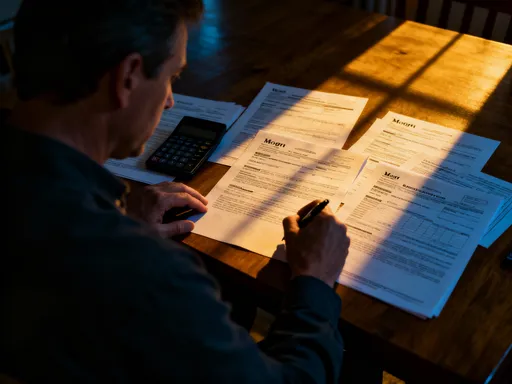
How I Kept My Finances from Crumbling When Illness Hit Out of Nowhere
One minute I was fine—working, saving, feeling in control. The next, a sudden diagnosis left me bedridden and stressed about money more than recovery. Medical bills piled up, income slowed, and panic set in. But what I learned the hard way could save you from the same spiral. This isn’t about quick fixes or risky bets—it’s real talk on protecting your funds when health fails. Let’s walk through the moves that actually work. Financial stability isn’t just about earning or investing wisely; it’s about how well you’re shielded when life throws a curveball. Illness doesn’t come with a warning label, and neither does financial collapse. But with the right preparation, you can stand firm even when your body can’t.
The Wake-Up Call: When Health Crashes, Finances Often Follow
The morning began like any other. A cup of tea, a packed lunch, and a commute to the office. By evening, I was in the emergency room, diagnosed with a chronic autoimmune condition that would require months of treatment and leave me unable to work. In the days that followed, the medical bills arrived—first a few hundred dollars, then thousands. My employer offered limited sick leave, but after six weeks, my income stopped. I had savings, yes, but not enough to cover rent, groceries, and mounting medical expenses all at once. The fear wasn’t just about pain or recovery—it was about survival in the most literal sense. Could I afford my medication? Would I lose my home? These weren’t hypotheticals; they were real, pressing questions with no easy answers.
What made this crisis worse was the false sense of security I’d carried for years. I wasn’t reckless with money. I paid my bills on time, avoided credit card debt, and contributed a little to a retirement fund. But I had never planned for a scenario where my ability to earn disappeared overnight. Like many people, I assumed that if I stayed healthy and worked hard, everything would fall into place. I didn’t realize that financial resilience isn’t measured during smooth times—it’s tested in moments of disruption. Studies show that nearly half of American adults wouldn’t be able to cover a $1,000 emergency with cash, and medical issues are among the top causes of financial distress. The truth is, illness doesn’t discriminate by income level or savings history. It strikes without regard to your budget, your goals, or your plans.
What I experienced wasn’t unique. Millions face similar shocks every year. A broken bone, a cancer diagnosis, a sudden surgery—each can derail not just health, but financial well-being. And the emotional toll is compounded by money stress. Worrying about bills while trying to heal slows recovery, increases anxiety, and strains relationships. The lesson I learned, though painful, was clear: financial preparedness isn’t optional. It’s a necessary part of health care. Just as we vaccinate our bodies against disease, we must vaccinate our finances against crisis. That starts with understanding the risks and taking deliberate steps to protect yourself before disaster strikes.
Building Your Financial Safety Net Before Disaster Strikes
An emergency fund is often described as a cushion, but it’s more accurate to think of it as a foundation. Without it, every unexpected expense becomes a threat to your entire financial structure. When I became ill, I realized my savings were not an emergency fund—they were just leftover income with no clear purpose. A true emergency fund is different. It’s liquid, accessible, and reserved for genuine crises: job loss, major repairs, or serious illness. It’s not meant for vacations, holiday shopping, or even small medical co-pays. It exists solely to keep you afloat when regular income stops.
Experts generally recommend saving three to six months’ worth of essential living expenses. For someone with a stable job and good health insurance, three months might suffice. But for those with chronic conditions, irregular income, or caregiving responsibilities, six months—or even more—may be necessary. The key is not the exact number, but the intention behind it. This fund must be separate from your everyday checking account, ideally in a high-yield savings account where it earns interest but remains easy to access. The goal is to avoid having to sell investments at a loss or rely on credit when an emergency hits.
Many people say they can’t afford to save, especially on a single or limited income. But building a safety net doesn’t require dramatic lifestyle changes. It starts with consistency. Even $25 a week adds up to over $1,300 in a year. The real challenge isn’t the amount—it’s the mindset. Too often, saving is treated as a luxury, something to do “later,” after other expenses are covered. But when “later” never comes, you’re left exposed. The shift begins by treating savings like a non-negotiable bill. Automating transfers ensures you pay yourself first, reducing the temptation to spend. Small adjustments—like brewing coffee at home, canceling unused subscriptions, or shopping with a list—can free up cash without sacrificing quality of life.
Another powerful strategy is redirecting windfalls. Tax refunds, bonuses, or even a birthday gift can jump-start your emergency fund. One study found that households that saved their tax refunds were significantly more likely to avoid debt during emergencies. The point isn’t perfection—it’s progress. Every dollar saved is a brick in your financial foundation. And when illness or another crisis hits, that foundation can mean the difference between stability and collapse.
Income Protection: Why Health Can’t Be an Afterthought
When you can’t work, your income stops—but your expenses don’t. This is where disability insurance becomes critical. Yet, most people don’t have it, either because they don’t understand it or assume they’re not at risk. Disability insurance replaces a portion of your income if you’re unable to work due to illness or injury. It’s not the same as workers’ compensation, which only covers job-related injuries. Disability coverage applies whether you’re hurt at home, in a car, or diagnosed with a medical condition like heart disease, cancer, or severe arthritis.
There are two main types: short-term and long-term disability. Short-term policies typically pay benefits for three to six months, starting after a brief waiting period—often two weeks. They’re designed to cover the initial phase of recovery when you’re temporarily unable to work. Long-term policies kick in after short-term coverage ends and can pay benefits for several years, sometimes until retirement age. Premiums vary based on your age, health, occupation, and the level of coverage, but they’re often more affordable than people expect. For many, the cost is between 1% and 3% of annual income—a small price compared to the risk of losing everything.
Some employers offer disability insurance as part of their benefits package, but the coverage may be limited. Group plans often cap benefits at a percentage of your salary—sometimes as low as 50%—and may not adjust for inflation. Individual policies, though more expensive, offer greater flexibility and stronger protection. The key is to act before you need it. Once you have a pre-existing condition, qualifying for coverage becomes difficult or impossible. Waiting until you’re diagnosed is too late.
For those who can’t afford traditional disability insurance, other options exist. Some professional organizations offer group plans to members. Others may rely on a combination of savings, family support, or side income from remote work when possible. The goal is to create layers of protection. No single solution is perfect, but a mix of insurance, savings, and income flexibility can go a long way in maintaining financial stability during a health crisis.
Smart Fund Allocation: Keeping Cash Flowing Without Draining Future Stability
When income drops, every dollar must be used with intention. This is the time to shift from a regular budget to a crisis budget—one focused on survival, not growth. The first step is identifying essential expenses: housing, utilities, food, transportation, and critical medical costs. These are non-negotiable. Everything else—entertainment, dining out, gym memberships, even retirement contributions—should be paused temporarily. The goal isn’t to live forever on this budget, but to stretch your resources until income resumes.
It’s important to avoid panic-driven decisions. Selling investments during a market downturn to cover medical bills can lock in losses and damage long-term wealth. Withdrawing from retirement accounts early triggers taxes and penalties, reducing future security. Instead, prioritize liquidity. Use your emergency fund first, then explore income replacement options. If necessary, tap into low-interest credit lines—but only as a last resort and with a clear repayment plan.
Many people hesitate to adjust their spending, fearing it reflects failure. But financial discipline isn’t about pride—it’s about protection. A temporary pause on non-essentials isn’t giving up; it’s regrouping. One woman I spoke with, diagnosed with a rare neurological disorder, suspended her retirement contributions for a year. It felt like a setback, but it allowed her to cover treatment without debt. Once she returned to work, she gradually increased her savings rate and stayed on track. The lesson? Flexibility is strength. Your financial plan should adapt to life, not break under its weight.
Negotiating bills can also free up cash. Many service providers—internet, phone, insurance—are willing to offer temporary discounts or payment plans. A simple phone call can reduce monthly outlays by 10% or more. At the same time, avoid taking on high-interest debt. Payday loans and cash advances may seem like quick fixes, but their fees can trap you in a cycle of borrowing. Focus on sustainable solutions, not short-term relief that worsens long-term strain.
Navigating Medical Costs: Avoiding the Hidden Traps
Medical billing is notoriously complex, and errors are common. One study found that nearly 80% of medical bills contain mistakes—overcharges, duplicate fees, or charges for services never rendered. The first line of defense is to always request an itemized bill. This detailed statement breaks down every charge, making it easier to spot inaccuracies. Review it carefully, compare it to your insurance explanation of benefits, and question anything unclear.
Another strategy is to shop around for treatment costs. While emergency care isn’t negotiable, many procedures—like MRIs, blood tests, or physical therapy—can be priced in advance. Some hospitals offer significant discounts for upfront payment or cash transactions. Patient advocacy groups and online tools can help compare prices across providers. Even the cost of medication varies widely by pharmacy. Using generic versions, mail-order services, or manufacturer assistance programs can reduce expenses by 50% or more.
Understanding your insurance plan is equally important. Know your deductible—the amount you pay before insurance kicks in—and your out-of-pocket maximum, which caps your annual liability. Be aware of co-pays, co-insurance, and network restrictions. Seeing an out-of-network provider can result in surprise bills, sometimes costing thousands. If you’re facing a major procedure, contact your insurer in advance to confirm coverage and get pre-authorization if needed.
Many hospitals and clinics offer financial assistance programs for low-income patients. These can reduce or eliminate bills based on income and family size. Nonprofit organizations also provide aid for specific conditions, such as cancer or diabetes. Applying may require documentation, but the effort can lead to substantial savings. The key is to ask. Too many people suffer in silence, assuming they don’t qualify or that help isn’t available. But assistance exists—those who seek it often find relief.
Debt Management: Don’t Let Illness Turn Bills Into Burdens
When income stops and expenses rise, debt can seem like the only option. Credit cards, personal loans, or medical financing may cover immediate needs, but they come with risks. High interest rates can turn a temporary shortfall into a long-term burden. The average credit card rate exceeds 20%, meaning a $5,000 balance could cost over $1,000 in interest alone if not paid quickly. Medical credit cards, often advertised as “interest-free for 12 months,” can charge retroactive interest if the balance isn’t paid in full by the deadline.
A better approach is to communicate early with creditors. Most hospitals, utility companies, and lenders have hardship programs for patients facing illness. These may include extended payment plans, reduced interest rates, or temporary forbearance. The key is to reach out before you miss a payment. Once you’re behind, options shrink and stress increases. A simple letter or phone call, explaining your situation and providing medical documentation, can open the door to relief.
Some nonprofit credit counseling agencies offer free or low-cost services to help manage debt. They can negotiate with creditors, create a budget, and set up a debt management plan. These services don’t erase debt, but they can make it more manageable. At the same time, avoid predatory lenders. Companies that promise “easy money” often charge excessive fees and use aggressive collection tactics. Stick to reputable institutions and government-approved programs.
The goal isn’t to avoid all debt—it’s to use it wisely. If borrowing is necessary, choose the lowest-cost option available and have a clear plan to repay. Treat debt as a tool, not a solution. And remember, your credit score matters. Late payments and defaults can affect your ability to rent, buy a car, or even get certain jobs. Protecting your credit during a crisis is part of protecting your future.
Rebuilding After Recovery: Restoring Financial Health Alongside Physical Health
Recovery doesn’t end when the doctor clears you to return to work. Financial healing takes time, patience, and a structured plan. The first step is reassessment. Your income, expenses, and priorities may have changed. Take stock of your current situation: How much debt do you carry? How depleted is your emergency fund? What adjustments are needed in your budget? This isn’t about guilt or blame—it’s about clarity and control.
Start by rebuilding your emergency savings, even if slowly. Redirect any extra income—overtime pay, tax refunds, or side gig earnings—toward your fund. Consider increasing your disability insurance coverage if possible, especially if your health history has changed. Update your will, power of attorney, and advance directives to ensure your family is protected if the unthinkable happens again.
Adjust your financial goals with compassion. If you fell behind on retirement savings, don’t try to “catch up” all at once. That can lead to burnout and new debt. Instead, create a realistic timeline to get back on track. Small, consistent contributions are more sustainable than large, short-term efforts. Celebrate progress, not perfection.
Finally, reflect on what you’ve learned. The crisis may have been unavoidable, but your response can shape your future. Many people who’ve faced serious illness report a shift in values—less focus on material things, more on security, health, and family. Use this insight to build a more resilient financial life. Preparedness isn’t about fear; it’s about freedom. It’s the peace of mind that comes from knowing you can withstand life’s hardest moments without losing everything.