How Dance Made My Routine Actually Stick – And Why It Might Work for You
Ever tried building a fitness habit, only to quit after a week? I’ve been there. But when I swapped rigid workouts for dance, everything changed. It wasn’t just fun—it became something I looked forward to, not something I forced myself through. This is the real talk about how turning movement into joy, not duty, transformed my consistency, energy, and mindset—without strict rules or burnout. What started as a moment of frustration in front of a paused workout video turned into a revelation: maybe the key to lasting fitness isn’t discipline, but delight. And for many women in their 30s, 40s, and beyond, especially those juggling family, work, and personal well-being, finding that joy can be the missing piece in a long string of abandoned routines.
The Problem with Traditional Exercise Routines
For many, the idea of fitness begins with a treadmill gathering dust in the corner or a gym membership that expired without a single visit. The issue isn’t lack of intention—it’s the nature of the routine itself. Traditional exercise often demands structure, repetition, and a level of effort that feels more like a chore than a choice. Women who manage households, care for children, and balance professional responsibilities may find it especially hard to add another rigid task to their day. When movement is framed as a punishment for not being “in shape,” it becomes emotionally taxing rather than empowering.
Psychological research shows that habits built on obligation rarely last. The brain resists activities associated with discomfort, boredom, or pressure. This explains why so many people start strong in January only to fade by February. The promise of long-term results—like weight loss or better health—often isn’t enough to override the immediate feeling of dread. Resistance bands sit unused. Workout clothes remain folded. The cycle repeats: start, struggle, stop. The deeper issue isn’t laziness; it’s a mismatch between how we’re told to exercise and what our minds and bodies actually respond to.
Moreover, traditional fitness culture often emphasizes performance—how fast, how far, how many reps. For someone who hasn’t been active in years, this can feel intimidating. There’s an unspoken message: you must earn the right to move. But movement should be accessible, not earned. When fitness feels like a test, it’s no wonder people avoid it. The solution isn’t more willpower. It’s a shift in approach—one that honors emotion, enjoyment, and sustainability over speed and scale.
Why Dance Is Different: Movement That Feels Like Freedom
Dance bypasses the mental resistance that blocks traditional workouts because it doesn’t register in the brain as exercise. Instead, it’s experienced as expression, rhythm, and play. When music plays, the brain’s limbic system—the center of emotion and memory—activates. Rhythm engages the basal ganglia, which helps regulate movement and reward. Together, these neural pathways create a sense of flow, where time seems to disappear and the body moves almost automatically.
Music has a profound effect on mood and motivation. Studies show that listening to upbeat music increases dopamine, the neurotransmitter linked to pleasure and reinforcement. When movement is paired with music, the brain begins to associate physical activity with joy rather than effort. This changes the entire experience. Rather than counting minutes until a workout ends, a person dancing may lose track of time because they’re engaged, not enduring.
Unlike running on a treadmill or lifting weights, dance doesn’t require a specific outcome. There’s no need to hit a target heart rate or complete a set number of repetitions. The goal is simply to move in response to sound. This freedom reduces performance anxiety and makes it easier to start. For women who feel self-conscious about their bodies or fitness level, dancing in private offers a safe, judgment-free way to reconnect with physicality. It’s not about how it looks—it’s about how it feels.
Additionally, dance allows for emotional release. Many women carry stress from daily responsibilities—managing schedules, resolving conflicts, meeting expectations. Dance provides a physical outlet for those emotions. A strong beat can help release tension; a slow melody can encourage gentle, soothing motion. Over time, this emotional connection reinforces the habit, making it more likely to stick.
From Occasional Moves to Daily Habit: My Personal Shift
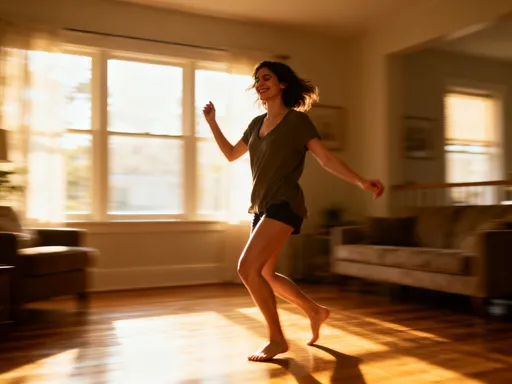
My journey began during a particularly overwhelming week. I had committed to a 30-day fitness challenge but found myself dreading each session. One evening, after skipping my workout for the third time, I turned on a song I loved from my teenage years. Without planning, I started swaying, then stepping, then fully moving. I wasn’t following a routine—I was just feeling the music. That moment lasted less than ten minutes, but it left me energized, not exhausted.
What surprised me most was how quickly I wanted to do it again. The next day, I played another favorite track while waiting for the kettle to boil. Then I did it while folding laundry. These weren’t long sessions—just 10 to 15 minutes—but they became something I looked forward to. The shift wasn’t in duration or intensity; it was in mindset. I stopped thinking of it as exercise and started seeing it as a gift to myself—a brief pause in the day where I could simply be.
Over time, the movements became more confident. I stopped worrying about looking silly. I realized no one was watching, and even if they were, it didn’t matter. This wasn’t performance; it was presence. The self-consciousness that once held me back began to fade. I wasn’t dancing to change my body—I was dancing to feel alive in it. And that distinction made all the difference. The habit wasn’t built on discipline; it was built on desire.
The Science Behind Routine Regularity and Habit Formation
Habits are formed through a loop: cue, routine, and reward. The cue triggers the behavior, the routine is the action taken, and the reward reinforces the behavior, making it more likely to repeat. For traditional exercise, the reward is often delayed—better health, weight loss, improved fitness—which makes it harder to sustain. But dance offers an immediate reward: a boost in mood, a release of tension, a moment of joy. This instant gratification strengthens the habit loop, making it more resilient.
Dopamine plays a crucial role in this process. When we engage in enjoyable activities, the brain releases dopamine, creating a sense of pleasure and motivation. Over time, the brain begins to anticipate that reward, making us more likely to seek out the behavior. This is why pleasure-based habits—like dancing, listening to music, or savoring a favorite meal—are easier to maintain than discipline-based ones. They align with the brain’s natural reward system.
Research in behavioral psychology supports the idea that enjoyment increases adherence to physical activity. A study published in the Journal of Sport and Exercise Psychology found that participants who engaged in enjoyable forms of exercise were more likely to continue over time compared to those who followed structured, repetitive routines. The key wasn’t intensity—it was satisfaction. When movement feels good, the brain wants more of it.
Additionally, habits are more likely to stick when they’re integrated into existing routines. Dancing while waiting for coffee to brew or during a child’s homework time leverages existing cues, reducing the need for extra willpower. The behavior becomes part of the day, not an addition to it. This seamless integration is essential for long-term success, especially for busy women who can’t afford to carve out large blocks of time.
How to Start Dancing—Even If You “Can’t”
The most common hesitation is, “I can’t dance.” But dance, in this context, isn’t about skill. It’s about movement. No choreography, no steps to memorize, no right or wrong way. The only rule is to move in response to music. Start by choosing a song you genuinely enjoy—something that brings back a memory or makes you smile. It doesn’t have to be fast; it doesn’t have to be new. Familiarity often increases comfort.
Create a small space—your living room, kitchen, or even a bedroom corner. Clear enough room to raise your arms and step side to side. You don’t need special clothes or equipment. Just wear what you’re already in. Begin with just three to five minutes. Let your body respond naturally—sway, bounce, stretch, step. If you feel awkward, that’s normal. Most people do at first. The goal isn’t grace; it’s connection.
Use online resources if you want guidance. Many free videos offer low-pressure dance sessions designed for beginners, often labeled as “freestyle,” “dance fitness,” or “joyful movement.” These aren’t intense workouts—they’re invitations to move. Alternatively, simply press play on a playlist and let your body lead. The key is consistency, not perfection. Even on tired days, a short session can shift your energy.
Another effective strategy is to pair dancing with daily tasks. Play music while washing dishes, getting dressed, or waiting for the oven to preheat. These micro-moments add up and reinforce the habit without demanding extra time. Over time, the association between music and movement becomes automatic, making it easier to start and harder to skip.
The Hidden Health Benefits Beyond Calories Burned
While dancing does burn calories—depending on intensity, a 30-minute session can burn between 150 and 300 calories—the benefits go far beyond weight management. Dance improves cardiovascular endurance by raising the heart rate in a rhythmic, sustainable way. Unlike sudden bursts of activity, dancing often builds intensity gradually, making it accessible for people at different fitness levels.
Coordination and balance also improve with regular dancing. The brain must process rhythm, spatial awareness, and body control simultaneously, which strengthens neural connections. This has long-term benefits, especially as we age. Studies suggest that dance may support neuroplasticity—the brain’s ability to adapt and reorganize—reducing the risk of cognitive decline.
Emotional regulation is another significant benefit. Dance allows for nonverbal expression of feelings, which can be especially valuable for women who often suppress emotions to maintain harmony at home or work. Moving rhythmically helps release stored tension and calms the nervous system. This contributes to lower stress levels, better sleep, and improved mental clarity.
Additionally, dancing fosters a sense of agency and self-trust. When you move freely, you reconnect with your body’s instincts. You learn to listen to its cues—when to speed up, slow down, stop, or continue. This body awareness builds confidence and resilience, qualities that extend beyond the dance session into everyday life. The result isn’t just a healthier body; it’s a more grounded, present self.
Making It Last: Tips for Long-Term Dance Integration
Sustainability comes from flexibility, not rigidity. The goal isn’t to dance for an hour every day but to make movement a natural part of life. One effective strategy is habit stacking—linking dance to an existing routine. For example, play a song while making your morning coffee or after putting the kids to bed. These pairings reduce decision fatigue and make the behavior easier to maintain.
Track progress in non-numerical ways. Instead of measuring minutes or calories, notice how you feel. Are you more energized? Do you laugh more easily? Is it easier to unwind at night? These subtle shifts are powerful indicators of success. Journaling briefly about your experience can help reinforce the emotional benefits and deepen commitment.
Keep the practice fresh by changing your music or trying different styles. One day might be upbeat pop, another slow soul, another rhythmic world beats. Variety prevents boredom and keeps the brain engaged. You might even explore cultural dances—simple movements from salsa, bhangra, or folk traditions—that add richness and learning to the experience.
Finally, be kind to yourself on off days. Missing a session doesn’t break the habit. The key is returning without guilt. Dance should never feel like another item on a checklist. It’s a refuge, a reset, a celebration of being alive in your body. When framed this way, it becomes not just sustainable, but essential.
Dance isn’t about performance—it’s about presence. By replacing obligation with enjoyment, it turns fitness from a struggle into a rhythm you naturally want to keep. This shift in mindset doesn’t just build stronger bodies; it nurtures resilience, creativity, and a deeper connection to everyday life. When movement feels good, showing up becomes effortless. And for women who’ve spent years putting others first, this simple act of joyful motion may be the most powerful form of self-care available. It’s not about changing who you are—it’s about remembering how it feels to be you, fully and freely.