Why Your Back Deserves Better: A Real Talk Guide to Living Pain-Free
Lower back pain sneaks up quietly—until it hits hard. I’ve been there: stiff mornings, skipped workouts, endless discomfort. Turns out, your lumbar spine isn’t just a body part; it’s your foundation. When it’s off, everything suffers. The good news? Small, smart moves make a big difference. This isn’t about quick fixes—it’s about real, lasting habits that protect your back daily. Let’s walk through science-backed ways to stay strong, mobile, and pain-free.
The Silent Crisis: Why Lumbar Pain Is More Common Than You Think
Lower back pain is one of the most widespread health concerns across adults, particularly among those in their 30s to 50s. It doesn’t always come from injury or overexertion—often, it’s the slow result of how we live. Modern life demands long hours seated at desks, in cars, or on couches, all of which place continuous stress on the lumbar spine. The body was designed for movement, not static positions, and when we remain still for too long, the muscles that support the lower back weaken. This imbalance increases pressure on spinal discs and joints, setting the stage for discomfort and chronic strain.
The lumbar spine bears the weight of the upper body and acts as a central pivot for nearly every movement we make. Whether bending to pick up a grocery bag or twisting to reach the back seat of the car, the lower back is involved. Yet, because it’s so resilient, we often take it for granted until pain becomes unavoidable. Many people don’t realize how much their daily routines contribute to this problem. Office workers may sit for hours without adjusting posture, drivers tense their lower backs during long commutes, and even household tasks like vacuuming or folding laundry can reinforce poor movement patterns.
What makes this issue a silent crisis is how easily it’s normalized. Aches after standing too long, stiffness when getting out of bed, or discomfort after gardening—these are often dismissed as “just part of aging.” But persistent lower back pain isn’t inevitable. It’s a signal that something in your daily routine needs attention. The spine thrives on balanced support, proper alignment, and regular motion. Without these, even minor stressors accumulate over time, leading to flare-ups that disrupt sleep, mood, and daily function. Recognizing that lifestyle plays a central role is the first step toward meaningful change.
What Your Lower Back Actually Needs (Hint: It’s Not Just Rest)
When back pain strikes, the instinct is often to stop moving. We rest, avoid bending, and wait for the discomfort to pass. But while short-term rest can be helpful during acute flare-ups, long-term inactivity does more harm than good. The lumbar spine isn’t designed to be immobilized—it needs controlled, purposeful movement to stay healthy. Without it, muscles weaken, joints stiffen, and spinal discs lose their ability to absorb shock effectively.
The lumbar region consists of five large vertebrae stacked on top of each other, separated by intervertebral discs that act like cushions. These discs have no direct blood supply and rely on movement to draw in nutrients through a process called imbibition. When you move, the spine gently compresses and decompresses, allowing fluid and nutrients to flow in and out of the discs. This natural “pumping” action keeps them hydrated and resilient. Without regular motion, this process slows down, making discs more vulnerable to wear and tear.
Beyond disc health, movement supports the coordination of deep stabilizing muscles like the multifidus and transverse abdominis. These muscles act like an internal corset, holding the spine steady during everyday activities. When they’re underused, the body compensates by overworking larger, less efficient muscles, which can lead to strain and imbalance. This is why “active recovery”—gentle, intentional movement—is more effective than prolonged rest. Activities like walking, gentle stretching, or pelvic tilts don’t strain the back; they nourish it.
The goal isn’t to push through pain but to reintroduce motion in a way that supports healing. Movement doesn’t have to be intense or lengthy. Even small shifts in position throughout the day can reduce pressure on the spine and maintain muscle engagement. The key is consistency. Over time, these gentle habits build resilience, helping the back recover and adapt. Instead of asking “Should I rest?” consider asking “How can I move safely today?” That small shift in mindset can make all the difference.
Posture Myths Busted: Sitting, Standing, and Everything In Between
For years, we’ve been told to “sit up straight” as if there’s one perfect posture that prevents back pain. But the truth is, no single position is ideal for long periods. The spine isn’t meant to stay rigid; it thrives on subtle, frequent adjustments. Holding any posture—even a “correct” one—for too long increases muscle fatigue and spinal compression. The real solution isn’t perfect posture, but dynamic posture: small, regular movements that redistribute load and keep tissues nourished.
Think about sitting at a desk. When you first sit down, your spine may feel supported. But after 30 to 40 minutes, the muscles in your lower back begin to tire. The discs in your lumbar spine experience continuous pressure, reducing their ability to absorb nutrients. This is why you might feel stiff or achy after a long work session, even if your chair is “ergonomic.” The problem isn’t always the chair—it’s the lack of movement. The body needs micro-shifts: leaning forward slightly, shifting weight from one hip to the other, or standing up to stretch. These small actions prevent stagnation and maintain circulation to spinal tissues.
At home or in the office, creating an environment that encourages movement is more effective than striving for perfect alignment. An adjustable chair that supports the natural curve of the spine is helpful, but so is a standing desk or a small footrest that allows you to change leg positions. The goal is flexibility, not rigidity. Similarly, when standing, avoid locking your knees or tucking your pelvis too far under. Instead, let your weight distribute evenly through both feet and allow your spine to maintain its natural S-curve.
One of the most effective habits is setting a timer to move every 30 minutes. Stand up, walk to the kitchen, do a few pelvic tilts, or simply shift your stance. These brief interruptions break up prolonged static loading and signal the nervous system to reset muscle tension. Over time, this practice reduces the risk of developing chronic stiffness or strain. Posture isn’t about perfection—it’s about variety. The more you move, the better your back feels.
Movement as Medicine: Daily Habits That Actually Help
Movement is one of the most powerful tools for preventing and managing lower back pain. Unlike medication or passive treatments, daily motion addresses the root causes of discomfort: stiffness, poor circulation, and muscle imbalances. The best part? You don’t need hours at the gym or complex routines. Just 10 to 15 minutes of intentional movement each day can lead to noticeable improvements in mobility, strength, and comfort.
Three simple but highly effective movements stand out for lumbar health: pelvic tilts, cat-cow stretches, and walking with core engagement. Pelvic tilts help retrain the connection between the brain and the deep core muscles. Lying on your back with knees bent, gently rock your pelvis forward and backward, flattening and arching the lower back against the floor. This small motion teaches control over the position of the spine and activates the transverse abdominis, a key stabilizer. Doing 10 to 15 repetitions each morning can improve spinal awareness and reduce strain during daily tasks.
The cat-cow stretch, performed on hands and knees, combines gentle spinal flexion and extension. As you inhale, drop your belly and lift your head and tailbone (cow pose); as you exhale, round your spine and tuck your chin (cat pose). This rhythmic motion increases circulation to the spinal discs, relieves tension in the back muscles, and restores natural spinal mobility. It’s especially helpful for those who spend hours seated, as it counteracts the forward-curving posture common at desks.
Walking is another foundational habit. But not all walking is equal. To support the lower back, focus on engaging the core slightly with each step, maintaining a neutral spine, and taking smooth, balanced strides. Avoid overstriding or locking the knees, which can transfer impact directly to the lumbar region. A daily 20-minute walk, done with mindful posture, strengthens the glutes and hamstrings—muscles that take pressure off the lower back. Over time, these habits build a resilient spine that moves freely and functions efficiently.
Strength That Supports: Core Work Without the Crunches
When people think of core strength, they often picture sit-ups or crunches. But traditional abdominal exercises can actually increase pressure on the lumbar spine, especially when performed with poor form. For long-term back health, the goal isn’t to build visible abs—it’s to develop deep, stabilizing strength that supports the spine during everyday movements. This requires exercises that engage the transverse abdominis, multifidus, and pelvic floor muscles without excessive spinal flexion.
Three safe and effective exercises stand out: dead bugs, bird-dogs, and planks with proper form. The dead bug is performed lying on your back with arms extended toward the ceiling and knees bent at 90 degrees. Slowly lower one arm and the opposite leg toward the floor while keeping your lower back pressed into the ground. This movement challenges core control without straining the spine. It teaches the body to stabilize the pelvis while moving the limbs—a skill essential for lifting, reaching, and bending safely.
Bird-dogs are done on hands and knees. Extend one arm forward and the opposite leg back, keeping the spine neutral and the core engaged. Hold for a few seconds, then return to the starting position. This exercise improves coordination between the deep core and back muscles, enhancing balance and spinal protection. It also strengthens the glutes, which play a crucial role in taking pressure off the lower back during standing and walking.
Planks, when done correctly, are excellent for building endurance in the entire core system. The key is form: elbows under shoulders, body in a straight line from head to heels, and no sagging or hiking of the hips. Focus on breathing steadily and engaging the muscles around the waist and lower back. Start with 20 to 30 seconds and gradually increase duration. Unlike crunches, planks train the core to resist movement, which is exactly what it does in real life—protecting the spine when you lift a child, carry groceries, or twist to open a cabinet.
Lifestyle Levers: Sleep, Lifting, and Daily Routines
Back health isn’t just shaped by exercise—it’s influenced by everyday habits. Sleep position, mattress quality, and how you lift objects all play a role in spinal well-being. Poor sleep posture can lead to stiffness and misalignment, while improper lifting techniques increase the risk of sudden strain. The good news is that small adjustments in these areas can have a big protective effect over time.
Sleeping on a mattress that supports the natural curve of the spine is essential. A mattress that’s too soft may allow the hips to sink, creating an uneven spinal line, while one that’s too firm can increase pressure on sensitive areas. For side sleepers, placing a pillow between the knees helps align the hips and reduces strain on the lower back. Back sleepers benefit from a small pillow under the knees to maintain a neutral spine. Stomach sleeping, though common, often forces the neck and lower back into unnatural positions and is best minimized.
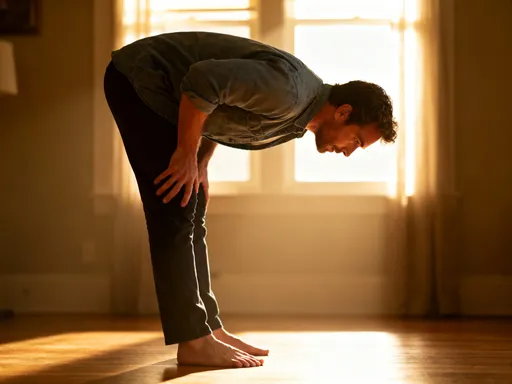
Lifting is another critical area. Many back injuries happen during routine tasks like picking up laundry, moving boxes, or helping a family member. The safest way to lift is to use a hip hinge: stand close to the object, bend at the hips and knees (not the waist), keep the back straight, and use the legs to rise. Holding the object close to the body reduces leverage and spinal load. Even when lifting light items, maintaining this technique trains the body to protect the back automatically.
Daily routines also matter. Gardening, cooking, or folding clothes often involve prolonged bending or twisting. To reduce strain, use a small stool to elevate one foot when standing for long periods, or kneel on one knee when weeding. When loading the dishwasher, open the door fully and place items at waist height when possible. These small modifications prevent cumulative stress on the lumbar spine. Body awareness is the foundation of prevention—learning to recognize when you’re holding tension or moving inefficiently allows you to make adjustments before pain arises.
When to Seek Help and How to Stay Ahead Long-Term
While self-care strategies are powerful, they aren’t a substitute for professional evaluation when needed. Certain symptoms should never be ignored: persistent pain that doesn’t improve after several weeks, numbness or tingling in the legs, or pain that radiates down the back of the thigh or calf. These could indicate nerve involvement or other underlying conditions that require medical assessment. Early intervention can prevent minor issues from becoming long-term problems.
Physical therapists, chiropractors, and primary care providers can offer personalized guidance based on your specific condition. Imaging like X-rays or MRIs may be recommended in some cases, but they’re not always necessary. Often, a skilled practitioner can identify movement dysfunctions and design a targeted plan to correct them. The goal isn’t just pain relief—it’s restoring function and preventing recurrence.
Long-term back health isn’t about finding a single solution—it’s about building a lifestyle that supports the spine every day. Think of it as a series of small, consistent choices: taking a walk after dinner, adjusting your workstation, doing a few pelvic tilts in the morning, or lifting with your legs instead of your back. These habits may seem minor, but over time, they create a strong foundation of resilience.
The lumbar spine is more than a structural support—it’s central to how we move, live, and care for our families. When it’s functioning well, we move with ease and confidence. When it’s strained, even simple tasks become burdens. By understanding what the back truly needs—movement, strength, and mindful habits—you can take control of your comfort and long-term well-being. This isn’t about perfection. It’s about progress. And every small step you take today builds a stronger, freer tomorrow.