What I Learned About Aging Backwards Through Food Combos
Have you ever wondered why some people seem to age slower than others? It’s not just genetics—what you eat and how you combine it plays a huge role. I started paying attention to food pairings a few years ago, and the changes were surprising. Energy improved, skin cleared up, and even my mood felt more stable. This isn’t about extreme diets or miracle cures—it’s about smart, science-backed eating habits that support long-term vitality.
The Hidden Truth Behind Slower Aging
Aging is often seen as an inevitable process, something that simply happens over time like the ticking of a clock. But modern science tells a different story—one where the pace of aging is not fixed, but influenced significantly by lifestyle choices, especially diet. While genes do play a role, research suggests that only about 20–30% of how we age is determined by our DNA. The rest is shaped by environmental and behavioral factors, with nutrition standing at the forefront.
At the cellular level, aging is driven by processes like oxidative stress, chronic inflammation, and the shortening of telomeres—protective caps at the ends of our chromosomes. When cells are under constant stress from poor nutrition, lack of sleep, or environmental toxins, these telomeres shorten faster, accelerating biological aging. Studies have shown that individuals who follow nutrient-dense, plant-rich diets tend to have longer telomeres, a marker linked to slower aging and reduced risk of age-related diseases.
Inflammation is another key player. Low-grade, chronic inflammation—often called “inflammaging”—is now recognized as a major contributor to conditions like heart disease, arthritis, and cognitive decline. Certain foods, particularly ultra-processed items high in sugar and refined oils, promote this internal fire. On the other hand, whole foods rich in antioxidants and healthy fats help calm it. The way nutrients interact within meals can either amplify or reduce this effect, making food combinations a powerful tool in the anti-aging toolkit.
Metabolic health is equally important. As we age, insulin sensitivity often declines, increasing the risk of weight gain, type 2 diabetes, and fatigue. But diet can influence this trajectory. Meals that stabilize blood sugar—through balanced macronutrients and high fiber—help maintain energy and protect against metabolic aging. The message is clear: aging is not a passive process. It’s responsive, dynamic, and to a large extent, within our control.
Why Food Pairing Matters More Than You Think
Most people focus on individual “superfoods”—blueberries, kale, salmon—but what’s often overlooked is how these foods interact with each other on the plate. This concept, known as dietary synergy, refers to the idea that the combined effect of certain foods is greater than the sum of their parts. In other words, two healthy foods eaten together can offer more benefits than if eaten separately.
One of the most well-documented examples is the pairing of vitamin C-rich foods with plant-based iron sources. Iron from spinach, lentils, or beans is in the form of non-heme iron, which the body absorbs less efficiently than the heme iron found in meat. However, when consumed with a source of vitamin C—like lemon juice, bell peppers, or oranges—iron absorption can increase by up to six times. This simple combination can make a meaningful difference, especially for women in midlife who may be at higher risk of iron deficiency.
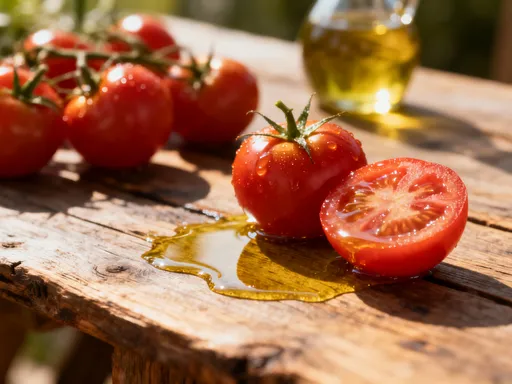
Another powerful synergy involves fat-soluble nutrients. Compounds like lycopene in tomatoes, beta-carotene in carrots, and vitamin E in nuts require dietary fat to be properly absorbed. Eating a salad with raw tomatoes and no dressing means your body may only access a fraction of the lycopene. But add a drizzle of olive oil, and absorption increases dramatically. This is not just about getting more nutrients—it’s about unlocking their full potential.
Conversely, some combinations can actually hinder nutrient uptake. For example, drinking a calcium-fortified plant milk with a spinach salad may reduce iron absorption, as calcium competes with iron for absorption in the gut. Similarly, consuming tea or coffee with meals high in iron can inhibit absorption due to tannins. These interactions are subtle but significant, especially over time. The takeaway is that it’s not just *what* you eat, but *how* you combine it that shapes your long-term health.
Understanding these principles allows you to eat with intention. It shifts the focus from restriction to optimization—making small, strategic choices that support your body’s natural ability to repair, renew, and thrive.
The Core Principles of Anti-Aging Nutrition
To harness the power of food combinations, it helps to understand the foundational principles of anti-aging nutrition. These are not rigid rules, but guiding principles that support cellular health, metabolic balance, and long-term vitality. The first principle is balance. A meal that includes quality protein, complex carbohydrates, and healthy fats helps stabilize blood sugar, prevent energy crashes, and support hormone balance—key factors in graceful aging.
Second is the emphasis on whole, minimally processed foods. The closer a food is to its natural state, the more nutrients it retains. Processed items often strip away fiber, vitamins, and phytonutrients while adding sugars, unhealthy fats, and preservatives that accelerate aging. Choosing whole grains, fresh produce, legumes, nuts, seeds, and lean proteins ensures your body gets the building blocks it needs for repair and renewal.
Managing blood sugar is another cornerstone. Spikes and crashes in glucose levels contribute to inflammation, fat storage, and insulin resistance. To avoid this, pair carbohydrates with fiber, protein, or fat. For example, eating an apple with a handful of almonds slows the release of sugar into the bloodstream, providing steady energy and reducing metabolic stress.
Reducing chronic inflammation is equally critical. This means minimizing intake of refined sugars, trans fats, and processed meats, while increasing foods rich in omega-3 fatty acids—like fatty fish, flaxseeds, and walnuts—and polyphenols, which are plant compounds with antioxidant properties. Found in berries, dark chocolate, green tea, and olives, polyphenols help protect cells from damage and support a healthy gut microbiome.
Fiber plays a multi-dimensional role. It supports digestion, feeds beneficial gut bacteria, and helps regulate cholesterol and blood sugar. A high-fiber diet is consistently linked to longer life and lower risk of heart disease, diabetes, and certain cancers. Whole grains, vegetables, fruits, legumes, and nuts are excellent sources.
Finally, hydration is often underestimated. Water is essential for every cellular process, including detoxification and nutrient transport. Dehydration can mimic signs of aging—dry skin, fatigue, brain fog. Drinking enough water throughout the day, along with consuming water-rich foods like cucumbers, melons, and soups, supports overall function and resilience.
These principles form the backbone of a sustainable, anti-aging diet. They are not about perfection, but about consistent, mindful choices that add up over time.
Top 5 Powerful Food Combos That Fight Aging
Putting theory into practice, here are five science-backed food combinations that enhance nutrient absorption, reduce oxidative stress, and support cellular health. These pairings are simple, delicious, and easy to incorporate into daily meals.
First, **tomatoes + olive oil**. Tomatoes are rich in lycopene, a potent antioxidant linked to reduced risk of heart disease and certain cancers. Lycopene is fat-soluble, meaning it needs fat to be absorbed effectively. Cooking tomatoes—such as in a sauce or soup—actually increases lycopene availability, and adding extra virgin olive oil boosts absorption even further. A simple dish of roasted tomatoes with a drizzle of olive oil and herbs is both flavorful and protective.
Second, **berries + nuts**. Berries like blueberries, strawberries, and blackberries are packed with antioxidants, particularly anthocyanins, which help combat oxidative stress. Nuts—especially walnuts and almonds—provide healthy monounsaturated and polyunsaturated fats. When eaten together, the fat in nuts enhances the body’s ability to absorb the fat-soluble antioxidants in berries. A handful of mixed berries topped with chopped walnuts makes a perfect snack or breakfast addition.
Third, **leafy greens + citrus**. Dark leafy greens such as spinach, kale, and Swiss chard are excellent sources of non-heme iron. As mentioned earlier, this form of iron is better absorbed when paired with vitamin C. Squeezing fresh lemon juice over a spinach salad or adding orange segments to a kale bowl significantly improves iron uptake. This combination also adds brightness and flavor, making greens more enjoyable.
Fourth, **turmeric + black pepper + healthy fat**. Turmeric contains curcumin, a compound with strong anti-inflammatory and antioxidant properties. However, curcumin is poorly absorbed on its own. Black pepper contains piperine, which can enhance curcumin absorption by up to 2,000%. Additionally, curcumin is fat-soluble, so consuming it with a healthy fat—like coconut oil, olive oil, or avocado—further increases its bioavailability. A golden milk latte made with turmeric, a pinch of black pepper, and a splash of full-fat coconut milk is a soothing, anti-aging beverage.
Fifth, **green tea + lemon**. Green tea is rich in catechins, particularly epigallocatechin gallate (EGCG), which has been studied for its role in supporting metabolism and protecting cells. However, catechins can degrade in the alkaline environment of the digestive tract. Adding lemon juice, which is acidic, helps stabilize these compounds and improves their absorption. Simply adding a slice of lemon to your green tea can make a meaningful difference in how your body benefits from it.
These combinations are not only effective but also practical. They require no special ingredients or complicated techniques—just a little awareness and intention at mealtime.
Common Dietary Mistakes That Speed Up Aging
Even with the best intentions, certain everyday habits can undermine anti-aging efforts. One common mistake is pairing iron-rich plant foods with calcium sources. While both nutrients are important, they compete for absorption in the gut. Drinking a glass of fortified almond milk with a lentil soup, for example, may reduce the amount of iron your body can use. To avoid this, space out calcium and iron-rich meals by a few hours, or prioritize vitamin C to boost iron absorption when they are consumed together.
Another pitfall is combining high-sugar fruits with refined carbohydrates. Eating a banana with white toast or a muffin causes a rapid spike in blood sugar, followed by a crash. This pattern, repeated over time, contributes to insulin resistance and inflammation. Instead, pair fruit with protein or fat—such as banana with almond butter or berries with Greek yogurt—to slow digestion and stabilize energy.
Many people also consume antioxidant-rich foods without the fat needed for absorption. A smoothie loaded with spinach, kale, and berries may seem healthy, but if it’s made with water or skim milk and no added fat, the body may not fully benefit from the fat-soluble nutrients. Adding a tablespoon of chia seeds, a quarter of an avocado, or a spoonful of nut butter can make a significant difference.
Over-reliance on processed “health” foods is another trap. Foods labeled as low-fat, sugar-free, or fortified may seem beneficial, but they often contain hidden sugars, artificial ingredients, or unhealthy fats. For example, many low-fat yogurts are loaded with added sugars to compensate for flavor. Reading labels and choosing whole, simple ingredients is a more reliable path to long-term health.
Lastly, skipping meals or following overly restrictive diets can backfire. While intermittent fasting has benefits for some, chronic under-eating can slow metabolism, reduce muscle mass, and increase stress hormones—all of which accelerate aging. The goal is nourishment, not deprivation. Eating regular, balanced meals supports energy, mood, and metabolic health.
By recognizing these common missteps, you can make small adjustments that lead to better nutrient utilization and long-term well-being.
Building a Realistic Daily Eating Framework
Knowing the best food combinations is helpful, but sustainability comes from structure. A realistic eating framework makes healthy choices automatic, not exhausting. Start with breakfast: instead of sugary cereals or plain toast, try oatmeal made with water or milk, topped with blueberries and a sprinkle of walnuts. The oats provide fiber, the berries offer antioxidants, and the walnuts supply healthy fats—creating a balanced, anti-aging meal.
For a mid-morning snack, pair an apple with a small handful of almonds. The fiber and fat slow sugar absorption, preventing energy dips. If you prefer something savory, try carrot sticks with hummus. The chickpeas provide protein and fiber, while the tahini in hummus adds healthy fats that help absorb the beta-carotene in carrots.
Lunch can feature a large salad with mixed greens, chickpeas, cherry tomatoes, cucumbers, and grilled salmon or tofu. Drizzle with olive oil and lemon juice. This meal combines iron, vitamin C, healthy fats, and protein—hitting multiple anti-aging targets at once. If preparing a salad isn’t practical, a bowl of lentil soup with a side of whole grain bread and a green salad offers similar benefits.
Afternoon snacks might include Greek yogurt with a few raspberries and a teaspoon of flaxseed. The protein supports muscle maintenance, the berries provide antioxidants, and the flaxseed adds fiber and omega-3s. Alternatively, a small piece of dark chocolate (70% or higher) with a few almonds offers a satisfying treat that supports heart and brain health.
Dinner should be balanced but not heavy. A serving of baked salmon with roasted sweet potatoes and steamed broccoli is ideal. The salmon delivers omega-3s, the sweet potatoes offer complex carbs and beta-carotene, and the broccoli provides fiber and vitamin C. Add a drizzle of olive oil to the broccoli to enhance nutrient absorption.
Hydration should be consistent throughout the day. Start with a glass of water in the morning, and aim to drink fluids regularly. Herbal teas, infused water with lemon or cucumber, and broths are excellent choices. Avoid sugary drinks and excessive caffeine, which can dehydrate and disrupt sleep.
Timing also matters. Eating meals at consistent times helps regulate metabolism and circadian rhythms. Avoid large, late-night meals, which can interfere with digestion and sleep quality. If you need an evening snack, choose something light and balanced—like a small bowl of cottage cheese with sliced peaches or a piece of whole grain toast with avocado.
This framework isn’t about perfection. It’s about progress—making choices that add up to lasting vitality.
Beyond the Plate: Lifestyle Synergy for True Longevity
Nutrition is powerful, but it doesn’t work in isolation. True anti-aging comes from the synergy between diet, sleep, stress management, and physical activity. Sleep, for example, is when the body repairs cells, balances hormones, and clears metabolic waste from the brain. Poor sleep increases inflammation and accelerates aging. Prioritizing seven to eight hours of quality sleep each night enhances the benefits of a healthy diet.
Chronic stress is another silent accelerator of aging. Elevated cortisol levels over time can lead to weight gain, weakened immunity, and cognitive decline. Mindful eating—paying attention to hunger cues, chewing slowly, and enjoying meals without distraction—can reduce stress and improve digestion. Practices like meditation, deep breathing, or gentle yoga can further support hormonal balance and emotional well-being.
Movement is equally essential. Regular physical activity improves circulation, supports muscle mass, and enhances insulin sensitivity. It doesn’t have to be intense—walking, gardening, or dancing count. Combining strength training with aerobic exercise offers the best protection against age-related decline. Even short walks after meals can help regulate blood sugar and aid digestion.
Circadian rhythms also play a role. Eating in sync with your body’s natural clock—such as having larger meals earlier in the day and fasting overnight—supports metabolic health. This alignment helps regulate hunger hormones, improves sleep, and reduces inflammation.
When nutrition is combined with these lifestyle factors, the results are amplified. You’re not just eating well—you’re living well. This holistic approach fosters resilience, clarity, and energy that go beyond appearance. It’s about feeling strong, capable, and vibrant at every stage of life.
True anti-aging isn’t found in a bottle or a trend—it’s built daily through mindful choices. By understanding how foods interact, you empower your body to function at its best. These small, science-backed shifts add up to noticeable changes over time: more energy, clearer skin, better resilience. It’s not about turning back time, but about aging with strength, clarity, and vitality—starting from your next meal.