How I Regained My Balance—And Why It Changed Everything
You don’t realize how much you rely on balance until it starts slipping. I ignored mine until a small stumble turned into constant wobbling. After seeing a specialist and diving into rehab methods, I discovered simple but powerful moves that made a real difference. This isn’t about quick fixes—it’s about retraining your body. If you’ve felt unsteady or just want to move with more confidence, this journey might be exactly what you need.
The Moment I Knew Something Was Off
It started with a near fall in the kitchen. I reached for a mug on a high shelf, shifted my weight slightly, and suddenly felt the floor tilt beneath me. My hand slammed against the counter to steady myself. No one saw it, but the moment left me shaken. That wasn’t the first time I’d felt off-kilter, but it was the first time I admitted something might be wrong. For months, I’d dismissed little stumbles—on curbs, at the bottom of stairs, even on flat pavement. I blamed the shoes, the lighting, the uneven sidewalk. But the truth was, my body wasn’t responding the way it used to.
Balance is one of those silent abilities we take for granted. It’s not something most people think about until it begins to fail. Yet, it’s essential for nearly every movement: walking across a room, stepping off a bus, carrying a laundry basket up the stairs. When balance weakens, these everyday actions become uncertain, even risky. I began avoiding tasks that once felt routine. I stopped taking evening walks because uneven paths made me nervous. I hesitated before stepping into the shower, worried I might slip. The fear wasn’t dramatic—it was quiet, persistent, and insidious.
What surprised me most was the emotional toll. I didn’t expect to feel embarrassed about needing to hold the railing on a short staircase. I didn’t anticipate the frustration of feeling uncoordinated, like my body had betrayed me. There was a loss of confidence that seeped into other parts of life. I started declining invitations to events if I wasn’t sure about the terrain. The independence I’d always valued began to feel fragile. It wasn’t just about physical instability—it was about losing a sense of control over my own movement and, by extension, my daily freedom.
Why Balance Matters More Than You Think
Beyond preventing falls, balance is a cornerstone of functional mobility. It’s not just for athletes or dancers—it’s a fundamental system that keeps everyone upright and moving safely. Think of it as your body’s internal navigation system, constantly adjusting to changes in terrain, speed, and posture. When working well, it operates in the background, so seamlessly that you never notice it. But when it falters, even standing still can feel like a challenge.
Balance relies on three key systems: the inner ear (vestibular system), vision, and proprioception. The inner ear detects motion and head position, helping you sense whether you’re upright or tilting. Your eyes provide visual cues about your environment—knowing where the floor is, if a surface is level, or if you’re moving. Proprioception, often called the “sixth sense,” is your body’s ability to sense where its parts are in space without looking. Receptors in your muscles, joints, and tendons send continuous feedback to your brain about limb position and movement.
These systems work together in harmony, like a well-coordinated team. But as we age, or after certain injuries, this collaboration can break down. The inner ear may become less sensitive. Vision can decline, especially in low light. Proprioception often diminishes due to reduced physical activity or joint stiffness. Even minor disruptions in one system can place extra demand on the others. For example, if your vision is impaired, your body leans more heavily on your inner ear and joint feedback. If all three are compromised—even slightly—your risk of instability increases significantly.
Inactivity is one of the most common contributors to balance decline. When you don’t challenge your balance regularly, your body loses the fine-tuned coordination it once had. Muscles weaken, reaction times slow, and neural pathways become less efficient. The good news? Balance is trainable at any age. Unlike some aspects of aging, this system responds remarkably well to targeted practice. The brain can relearn and rewire, strengthening connections between sensory input and motor output. It’s not about reversing time—it’s about giving your body the tools to adapt and improve.
Seeing a Professional: What the Assessment Revealed
After months of ignoring the signs, I finally made an appointment with a physical therapist who specialized in vestibular and balance rehabilitation. Walking into the clinic, I felt a mix of relief and anxiety. Relief because I was finally doing something; anxiety because I wasn’t sure what the evaluation would uncover. The therapist began with a detailed conversation about my symptoms, medical history, and daily activities. She asked about falls, dizziness, medications, and even sleep patterns—each factor can influence balance.
The physical assessment included several standardized tests. One was the tandem walk, where I had to walk in a straight line, placing one foot directly in front of the other, heel to toe. I wobbled almost immediately, stepping off the imaginary line within three steps. Another test was the single-leg stance, where I stood on one foot with my eyes open, then closed. On my dominant leg, I managed 18 seconds with eyes open—but only four with them closed. On my weaker side, I couldn’t hold it for more than five seconds either way. The Romberg test, which measures stability while standing with feet together and eyes closed, showed a clear sway to one side.
These tests weren’t designed to make me feel inadequate—they were diagnostic tools to identify specific weaknesses. My therapist explained that my proprioception, especially in my ankles and lower legs, was significantly impaired. My vestibular system was functional but not integrating well with my visual and somatosensory inputs. In simpler terms, my body wasn’t processing balance signals efficiently. The good news was that none of this was due to a serious neurological condition—just deconditioning and sensory miscommunication.
She emphasized that many people wait too long to seek help, often after a fall has already occurred. But early intervention can prevent injuries and rebuild confidence. The assessment wasn’t just about identifying problems—it was about creating a personalized roadmap for improvement. We set realistic goals: improve single-leg stance time, reduce reliance on hand support, and regain comfort walking on uneven surfaces. With a clear baseline and a plan, I finally felt like I had direction.
The Core Rehab Moves That Actually Worked
My therapist started me with three foundational exercises—simple, safe, and highly effective. The first was heel-to-toe walking, also known as the tandem gait. I practiced walking in a straight line, placing the heel of one foot directly in front of the toes of the other. At first, I needed to hold a countertop or wall for support. I focused on keeping my gaze forward, not down, to challenge my vestibular and visual systems. Over time, I reduced my hand support until I could walk ten steps independently.
The second exercise was the single-leg stand. I began by standing on one leg for as long as possible, using a chair for balance if needed. My goal wasn’t to break records—it was to build consistency. I started with five-second holds and gradually increased to 30 seconds per leg. My therapist advised doing this daily, ideally in front of a mirror to observe posture. She reminded me that small improvements—like standing a few seconds longer or swaying less—were meaningful progress.
The third exercise was weight shifting. I stood with feet shoulder-width apart and slowly shifted my weight from side to side, then forward and backward, keeping my heels and toes in contact with the floor. This helped me become more aware of my center of gravity and improved my ability to make micro-adjustments. We used a simple cue: “Imagine you’re a tree in the wind—bend, but don’t break.”
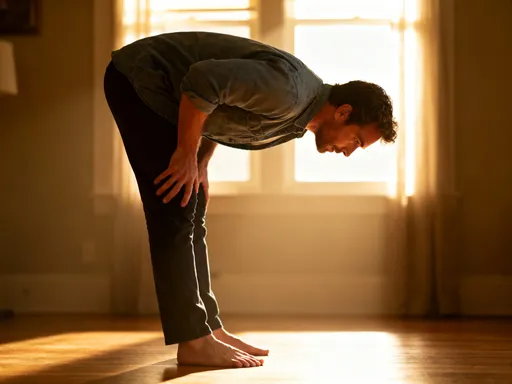
What made these exercises effective wasn’t their complexity—it was their consistency. I did them every morning while waiting for the kettle to boil. I didn’t push for intensity or speed. Instead, I focused on control, alignment, and repetition. My therapist stressed that balance training is cumulative—daily practice builds neural pathways and muscle memory. Within three weeks, I noticed I was steadier when turning in tight spaces. After six weeks, I no longer reached for the wall when standing on one foot to put on socks.
Adding Challenge: Leveling Up Without Risk
Once the basic exercises became manageable, my therapist introduced progressive challenges to continue building strength and coordination. The key was to increase difficulty gradually while maintaining safety. One of the first upgrades was using an unstable surface, like a foam balance pad or a folded towel. Standing on foam forces your muscles to work harder to stabilize, especially in the ankles and core. I started with short 15-second stands, holding onto a chair, then worked up to 30 seconds without support.
Another challenge was performing balance exercises with my eyes closed. Removing visual input forces the body to rely more on proprioception and the vestibular system. I began with single-leg stands on a firm surface, then progressed to doing them on foam. At first, I felt disoriented—like the room was spinning. But over time, my body adapted. My therapist reminded me to breathe steadily and keep my jaw relaxed, as tension can worsen dizziness.
We also incorporated dynamic movements, such as turning my head side to side while standing on one leg or reaching my arms forward while weight shifting. These actions mimic real-life situations—like looking over your shoulder while walking or grabbing something from a high shelf. They require the brain to process multiple sensory inputs at once, improving overall coordination. I practiced them slowly, focusing on smooth transitions rather than speed.
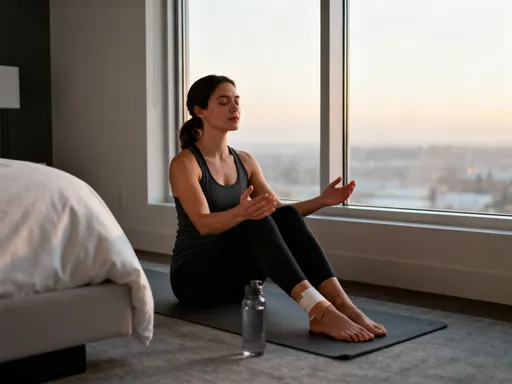
One of the most valuable lessons was learning the role of focus and breath. My therapist taught me to use a fixed gaze point during exercises—like a spot on the wall—to reduce visual confusion. Controlled breathing helped me stay calm and centered, especially when I felt unsteady. I learned that panic increases sway, while calm focus improves stability. These mental strategies became just as important as the physical movements.
Daily Habits That Support Better Balance
Beyond formal exercises, small daily habits made a significant difference. Posture was one of the first things I adjusted. I became more aware of how I stood—slouching, leaning to one side, or locking my knees. My therapist showed me how to align my ears over my shoulders, shoulders over hips, and hips over ankles. This neutral posture reduces strain and improves balance naturally. I set reminders to check my posture throughout the day, especially when standing in line or waiting for the microwave.
Footwear also played a bigger role than I expected. I realized I’d been wearing soft, flat slippers at home—comfortable but offering little support. I switched to supportive shoes with a firm sole, even indoors. Outside, I avoided heels and overly flexible soles. Good footwear provides better feedback from the ground, enhancing proprioception. My therapist suggested going barefoot on safe, stable surfaces at home to strengthen foot muscles, but only when I felt confident.
I also made minor changes to my home environment. I removed throw rugs that could bunch up, added non-slip mats in the bathroom, and improved lighting in hallways and stairwells. These adjustments reduced environmental risks and gave me more confidence to move freely. I even started brushing my teeth on one foot—turning a routine task into a balance drill. It became a daily ritual, subtle but effective.
Strength training, particularly for the legs and core, supported my balance progress. Weak glutes, quads, and calves make it harder to stabilize. I added simple resistance exercises: seated leg lifts, mini squats, and heel raises. My therapist emphasized that strong muscles don’t just power movement—they protect joints and improve control. I did these two to three times a week, pairing them with my balance routine.
Long-Term Gains and Staying Consistent
Over the next few months, the changes became undeniable. I tracked my progress with notes and small tests: Could I walk across the living room without holding the furniture? Could I step off a curb without hesitation? Could I turn quickly without losing balance? The answers shifted from “no” to “yes” more often. My single-leg stance improved from four seconds to over 45. I no longer felt anxious about walking on gravel or grass. Even my sleep improved—less nighttime stiffness, fewer worries about falling.
But the most profound shift was mental. The fear that once shadowed my movements began to fade. I walked with my head up, not down. I accepted invitations to parks and outdoor events. I even started a gentle yoga class, something I would have avoided months earlier. Confidence in my body returned—not as a given, but as something earned through daily effort. I no longer saw balance as a passive ability, but as an active skill worth maintaining.
My therapist reminded me that balance isn’t a destination—it’s a practice. Just like brushing your teeth or eating well, it requires ongoing attention. Life stages, illnesses, or periods of inactivity can affect it again. But now I have the tools to respond. I continue with a short daily routine, adjust my habits as needed, and stay aware of changes. I’ve learned that small, consistent actions build resilience over time. I don’t need perfect balance—just enough to move through the world with confidence and grace.
Regaining balance isn’t just about preventing falls—it’s about reclaiming freedom in motion. These rehab methods aren’t flashy, but they’re effective, science-backed, and accessible. Small daily efforts build resilience over time. Whether you’re recovering from an injury or just want to feel steadier, the work starts now. Your body will thank you every time you take a confident step forward.