How I Bounced Back Stronger — The Real Talk on Body Recovery and Mindset
Recovering from physical exhaustion or injury isn’t just about rest—it’s a mental game too. I used to think healing meant waiting around, but I learned that psychological adjustment speeds up real recovery. Stress, negative thoughts, and impatience can actually slow healing. With the right mindset, small daily habits make a noticeable difference. This is not a miracle fix, but a practical, tested approach that helped me regain energy and focus. Let’s walk through what actually works.
The Hidden Link Between Mind and Physical Recovery
Physical recovery is often viewed as a purely bodily process—tissues mend, inflammation subsides, strength returns. But science increasingly confirms that the mind plays a critical role in this journey. The connection between mental state and physical healing is not just philosophical; it is physiological. When the brain perceives stress, it signals the release of cortisol, a hormone designed to help the body respond to threats. While useful in short bursts, elevated cortisol levels over time can impair immune function, delay tissue repair, and increase inflammation—exactly what the body is trying to reduce during recovery.
This mind-body connection operates through what researchers call psychophysiological coherence—a state in which the brain, heart, and nervous system work in synchronized harmony. When thoughts are calm and focused, heart rate variability improves, circulation becomes more efficient, and the body shifts into a regenerative mode. This means that how you think and feel directly influences your body’s ability to heal. For instance, someone recovering from a minor surgery who maintains a positive outlook and practices relaxation techniques often reports less pain and faster recovery than someone under chronic stress, even when medical treatments are identical.
Consider common scenarios: a mother recovering from a prolonged illness may feel fatigued long after the infection clears. Or an active woman healing from a sports injury might experience lingering soreness despite no structural damage. In both cases, mental fatigue and emotional strain can amplify physical symptoms. The brain, still in a heightened state of alert, continues to interpret signals as threats, prolonging discomfort. Recognizing this pattern is the first step toward realigning the mind with the body’s healing goals. It is not about ignoring pain or pretending everything is fine—it is about creating internal conditions that support repair, not resistance.
Neuroplasticity, the brain’s ability to rewire itself based on experience, further underscores this point. Repeated negative thoughts—such as “I’ll never get better” or “This pain will never go away”—can strengthen neural pathways associated with suffering and limitation. Conversely, consciously cultivating hopeful, solution-focused thinking can build new pathways that promote resilience. This does not erase physical challenges, but it changes how the body responds to them. Healing, then, is not passive waiting; it is an active collaboration between mind and body, each influencing the other in a continuous feedback loop.
Why Waiting Doesn’t Work — The Myth of Passive Healing
Many people believe that rest alone is the key to recovery. After an injury, illness, or period of burnout, the instinct is to stop moving, withdraw from activity, and wait for the body to “fix itself.” While rest is essential, complete inactivity often does more harm than good. Research shows that prolonged bed rest or physical disengagement can lead to muscle atrophy, joint stiffness, reduced circulation, and even weakened immune response. The body thrives on movement, even in small doses, and healing is optimized when the system remains gently engaged.
Passive healing—defined as doing nothing but waiting—ignores the dynamic nature of human physiology. The lymphatic system, responsible for removing waste and supporting immune function, relies on muscle contractions to circulate fluid. Without movement, this system slows down, potentially prolonging inflammation and delaying recovery. Similarly, deep breathing and light physical activity stimulate oxygen flow to tissues, which is essential for cellular repair. When these processes are suppressed due to inactivity, the body’s natural healing mechanisms are hindered.
Mental stagnation often accompanies physical inactivity. Boredom, frustration, and a sense of helplessness can take root when daily routines disappear and goals feel unattainable. These emotional states activate the same stress pathways that cortisol triggers, further disrupting recovery. A person who feels stuck mentally is more likely to perceive physical sensations as threatening, amplifying pain and fatigue. This creates a cycle: less movement leads to more discomfort, which leads to more fear of movement, which leads to even less activity.
Active recovery, in contrast, breaks this cycle. It involves intentional, low-effort actions that support the body without overloading it. This might include gentle stretching, short walks, hydration, mindful breathing, or simple household tasks done slowly. The goal is not to push limits but to maintain rhythm and connection with the body. Studies on post-surgical patients, for example, show that those who begin light movement within 24 to 48 hours often recover faster and with fewer complications than those who remain bedridden. The same principle applies to recovery from chronic fatigue or emotional burnout—small, consistent actions build momentum, both physically and mentally.
Shifting Your Mindset: From Frustration to Progress
One of the most challenging aspects of recovery is managing emotions. Feelings of impatience, self-criticism, and discouragement are common, especially when progress feels slow or invisible. Many women in their 30s to 50s, juggling family, work, and personal responsibilities, may struggle with the idea of “slowing down.” They may interpret rest as laziness or healing as a personal failure. These beliefs, though often unspoken, can create internal resistance that prolongs recovery. The first step toward change is recognizing these thought patterns for what they are—habits, not truths.
Cognitive reframing is a powerful tool for transforming unhelpful thoughts. It involves identifying negative self-talk and consciously replacing it with more balanced, constructive perspectives. For example, instead of thinking, “I should be back to normal by now,” one might reframe it as, “Healing takes time, and I am doing my best.” This shift does not deny difficulty; it acknowledges effort. Over time, repeated reframing weakens the grip of negative thinking and strengthens a mindset oriented toward progress, not perfection.
Simple mental exercises can support this shift. Gratitude journaling, for instance, has been shown in clinical studies to improve mood, reduce stress, and enhance sleep quality—all factors that support physical recovery. Writing down three things each day that went well, no matter how small, trains the brain to notice positive signals. Similarly, tracking daily wins—such as completing a short walk, drinking enough water, or practicing deep breathing—creates a record of forward motion. These records serve as tangible proof that healing is happening, even when external changes are subtle.
Positive expectancy, the belief that improvement is possible, also plays a measurable role in recovery. When the brain anticipates healing, it releases neurotransmitters like dopamine and endorphins, which reduce pain perception and elevate mood. This creates a self-reinforcing loop: feeling better encourages more positive thoughts, which in turn support better physical outcomes. It is not about forced optimism, but about cultivating realistic hope. By focusing on what is within one’s control—attitude, effort, daily habits—women can reclaim a sense of agency during a time when they may feel powerless.
Breathing, Rhythm, and the Nervous System Reset
Breath is one of the most accessible tools for influencing both mind and body. Unlike heart rate or blood pressure, which operate automatically, breathing can be consciously controlled. This unique feature makes it a powerful lever for shifting the nervous system from a state of stress to one of calm. When the body is under stress, the sympathetic nervous system dominates, triggering shallow, rapid breathing. This prepares the body for action but inhibits recovery. In contrast, slow, deep breathing activates the parasympathetic nervous system—the “rest and digest” mode—slowing heart rate, lowering blood pressure, and promoting relaxation.
A simple yet effective technique is the 4-6-8 breathing method: inhale for four counts, hold for six counts, and exhale slowly for eight counts. This pattern extends the exhalation phase, which is particularly effective at stimulating the vagus nerve, a key component of the parasympathetic system. Within minutes, this practice can reduce muscle tension, quiet mental chatter, and improve oxygen delivery to tissues. It is especially useful during moments of frustration or physical discomfort, serving as an immediate reset button for the nervous system.
Integrating breathwork into daily routines enhances its impact. Practicing 4-6-8 breathing upon waking helps set a calm tone for the day. Repeating it after stressful interactions prevents stress hormones from accumulating. Using it before bed supports the transition into restful sleep. Over time, regular practice trains the body to return to balance more quickly, even in the face of challenges. Unlike medications or supplements, breathwork carries no side effects and requires no equipment—just awareness and consistency.
The rhythm of breathing also influences brainwave patterns. Slow, deliberate breaths encourage alpha and theta waves, which are associated with relaxation, creativity, and deep rest. This mental state is conducive to healing, as it reduces the brain’s fixation on pain and increases receptivity to positive change. For women recovering from illness or injury, breathwork offers a sense of control and presence, counteracting the helplessness that often accompanies prolonged recovery. It is not a cure, but a foundational practice that supports every other aspect of healing.
Movement That Heals — Not Hurts
While rest is necessary, movement is equally vital for recovery. The key is choosing the right kind—gentle, intentional, and sustainable. Low-impact activities such as walking, stretching, tai chi, or foam rolling promote circulation, reduce stiffness, and support lymphatic drainage without straining healing tissues. Unlike intense workouts, these practices nourish the body rather than deplete it. They send signals to the brain that the environment is safe, encouraging the release of growth factors and anti-inflammatory compounds.
Walking, in particular, is one of the most underrated recovery tools. A 10- to 15-minute walk at a comfortable pace increases blood flow to muscles and organs, delivering oxygen and nutrients essential for repair. It also stimulates the release of endorphins, natural pain relievers that improve mood. For someone recovering from a flare-up of chronic pain or fatigue, starting with just five minutes a day can make a meaningful difference. The goal is not distance or speed, but consistency and comfort. Over time, the body adapts, and what once felt difficult becomes manageable.
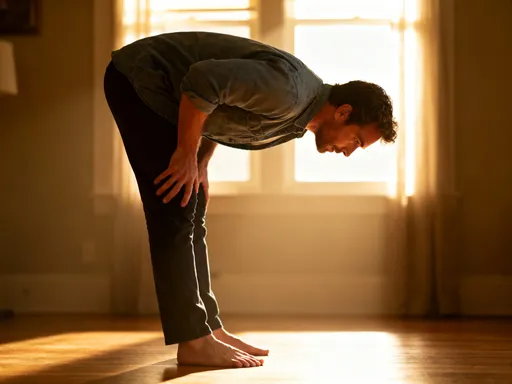
Tai chi and gentle yoga offer similar benefits, combining movement with breath and mindfulness. These practices enhance body awareness, helping individuals recognize early signs of strain and adjust accordingly. They also improve balance and coordination, reducing the risk of future injuries. Stretching, especially when done mindfully, releases muscle tension and improves joint mobility. Foam rolling, when used gently, can help break up adhesions in connective tissue, promoting smoother movement and reducing soreness.
It is important to distinguish between discomfort and pain. Mild discomfort during gentle movement is normal and often a sign of tissues reactivating. Sharp or increasing pain, however, signals the need to stop and reassess. The principle is progressive loading—gradually increasing activity as the body allows, not pushing through limits. A real-life example: a woman recovering from a back injury found that short daily walks, combined with morning stretches, reduced her recovery time by nearly half compared to previous episodes when she stayed in bed for days. Movement, when done wisely, does not delay healing—it accelerates it.
Sleep, Mood, and the Recovery Loop
Sleep is not a luxury; it is a biological necessity for recovery. During deep sleep, the body releases growth hormone, repairs tissues, consolidates memories, and regulates immune function. Without sufficient quality sleep, these processes are disrupted, slowing healing and increasing sensitivity to pain. Women in midlife may face additional challenges—hormonal changes, caregiving responsibilities, or stress—that make restful sleep harder to achieve. Yet, prioritizing sleep is one of the most effective things they can do to support recovery.
Poor sleep creates a vicious cycle: fatigue increases stress, stress disrupts sleep, and disrupted sleep worsens physical symptoms. Research shows that even one night of poor sleep can heighten pain perception the next day. Over time, chronic sleep deprivation weakens the immune system, elevates cortisol, and impairs cognitive function. This makes it harder to maintain a positive mindset, practice self-care, or stick to recovery routines. The good news is that small changes in sleep hygiene can yield significant improvements.
Establishing a consistent sleep schedule—going to bed and waking up at the same time every day—helps regulate the body’s internal clock. Creating a screen curfew one hour before bed reduces exposure to blue light, which suppresses melatonin, the sleep hormone. Keeping the bedroom cool, dark, and quiet enhances sleep quality. Avoiding caffeine and heavy meals in the evening prevents disruptions. Mindful breathing or gentle stretching before bed signals the body that it is time to wind down.
Emotional calm is just as important as physical comfort. A mind filled with worry or frustration struggles to transition into deep sleep. Practices like gratitude journaling, reading something uplifting, or listening to soft music can ease the shift from wakefulness to rest. When emotional and physical conditions align, sleep becomes more restorative, and the recovery loop strengthens: better sleep improves mood, better mood supports healthier habits, and healthier habits lead to better sleep. This cycle, once established, becomes a powerful engine for long-term well-being.
Building a Recovery-Ready Lifestyle — Small Steps, Big Shifts
Sustainable recovery is not about drastic changes or overnight transformations. It is built on small, consistent habits that gradually reshape daily life. The strategies discussed—mindset shifts, breathwork, gentle movement, and quality sleep—are not isolated fixes but interconnected elements of a holistic approach. When combined, they create a lifestyle that supports resilience, energy, and long-term health. The key is to start small and build gradually, allowing new behaviors to become natural over time.
Habit stacking—linking a new behavior to an existing routine—can increase success. For example, practicing 4-6-8 breathing while waiting for the coffee to brew, or doing a few gentle stretches after brushing teeth in the morning. These micro-habits require little effort but yield cumulative benefits. Over time, they become automatic, reducing the mental load of “remembering” to take care of oneself. Personalization is also essential. What works for one woman may not work for another. Some may find walking most helpful, while others prefer tai chi or foam rolling. The goal is not perfection, but progress tailored to individual needs and preferences.
It is also important to recognize when professional support is needed. While mindset and lifestyle play a major role, they do not replace medical care. Consulting a healthcare provider ensures that recovery plans are safe and appropriate, especially for those with chronic conditions or complex health histories. A doctor, physical therapist, or licensed counselor can provide guidance, monitor progress, and adjust recommendations as needed. Self-care and professional care are not opposites—they are partners in the healing journey.
Finally, patience and self-compassion are foundational. Recovery is rarely linear. There will be good days and setbacks. The goal is not to eliminate challenges but to respond to them with kindness and consistency. By aligning thoughts with healing goals, women can transform recovery from a burden into an opportunity—for greater strength, deeper self-awareness, and a more balanced life. The body is designed to heal. With the right mindset and habits, it can do so more fully and more quickly than many realize.