How I Built a Life-Changing Daily Movement Habit—And You Can Too
Ever feel like you’re too busy to stay active? I used to skip workouts for weeks, blaming my schedule. But then I discovered that real progress isn’t about intense gym sessions—it’s about consistent, doable movement built into your day. This isn’t a fitness overhaul; it’s a simple, sustainable way to feel stronger, sharper, and more energized. Let me show you how small daily actions can transform your health from the inside out—no gym required. The truth is, most of us don’t need more extreme workouts. We need smarter, gentler, and more realistic ways to keep our bodies moving. And the best part? You don’t have to be an athlete, own special equipment, or carve out hours each day. What matters most is consistency, not intensity.
The Myth of "All or Nothing" Fitness
For years, many people—including myself—have believed that exercise only counts if it’s a 45-minute gym session, a high-intensity class, or a long run. This “all or nothing” mindset has quietly sabotaged more fitness goals than any lack of time or energy ever could. When we tell ourselves that anything less than a full workout doesn’t matter, we set the bar impossibly high. And when life gets busy—as it often does with family, work, and unexpected responsibilities—those grand plans fall apart. The result? Guilt, frustration, and a cycle of starting over again and again.
This kind of thinking overlooks a fundamental truth: movement is not an event; it’s a habit. And like any habit, it thrives on repetition, not perfection. Consider this: a 10-minute walk around the block, three times a week, is far more beneficial than a single two-hour gym session followed by five days of inactivity. Yet, many dismiss those short walks because they don’t “feel” like real exercise. The problem isn’t laziness—it’s a misunderstanding of what effective movement really looks like.
Real-life scenarios reflect this struggle. A mother of two may want to get fit but finds herself too exhausted after putting the kids to bed. A working woman with a long commute might feel she has no time between meetings and household duties. These aren’t excuses—they’re realities. But when we shift our focus from intense workouts to daily movement, we reclaim power. Instead of asking, “When can I squeeze in a full workout?” we start asking, “How can I move a little more today?” That small shift in perspective opens the door to lasting change.
Why Daily Movement Beats Occasional Workouts
Science consistently shows that regular, moderate movement delivers far greater long-term benefits than sporadic, intense efforts. When you move your body daily—even in small amounts—you support circulation, regulate blood sugar, and keep your joints lubricated. These effects add up. For example, studies have found that just 20 minutes of light activity per day can reduce the risk of chronic conditions like type 2 diabetes and heart disease. The key isn’t how hard you push; it’s how consistently you show up.
Compare this to the “weekend warrior” approach—someone who sits most of the week and then tries to make up for it with a long hike or a tough class on Saturday. While that’s better than nothing, it doesn’t provide the same steady support for your body. In fact, going from inactivity to sudden exertion increases the risk of injury and can leave you sore and discouraged. Daily movement, on the other hand, keeps your muscles engaged, your heart rate gently elevated, and your energy levels more stable throughout the week.
One of the most powerful benefits of daily movement is its impact on your metabolism. When you’re active every day, your body learns to burn calories more efficiently, even at rest. This isn’t about rapid weight loss—it’s about building metabolic resilience. Similarly, your brain benefits from regular movement. Physical activity increases blood flow to the brain, which helps with focus, memory, and mood regulation. Many women in their 30s to 50s report feeling mentally sharper and emotionally calmer when they incorporate even small amounts of movement into their routines.
The beauty of this approach is that it doesn’t require big time commitments. Five minutes of stretching in the morning, a 10-minute walk after lunch, or a few gentle squats while waiting for dinner to cook—all of these count. Research shows that short bursts of activity, repeated throughout the day, can be just as effective as longer continuous sessions. The goal isn’t to push yourself to exhaustion; it’s to stay in motion, gently and consistently, so your body stays strong, flexible, and energized.
Designing Your Personal Routine (No Gym Needed)
The good news is that building a daily movement habit doesn’t require a gym membership, special clothes, or complicated equipment. What it does require is intention and a willingness to start small. The best routines are flexible, adaptable, and woven into your existing life. Think of movement not as something you do *instead of* your day, but as something you do *during* your day.
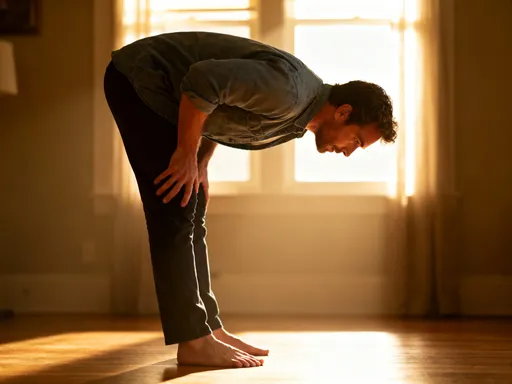
Begin by identifying natural opportunities for activity. For instance, try doing a few gentle stretches as soon as you wake up. This doesn’t need to be a formal yoga session—simply reaching your arms overhead, rolling your shoulders, and bending forward to touch your toes can wake up your muscles and improve circulation. Later, when you’re on a phone call, stand up and pace around the room. Turn commercial breaks into mini movement breaks by doing seated leg lifts or wall push-ups. These tiny actions add up over time.
Walking is one of the most underrated forms of exercise. It’s low-impact, free, and can be done almost anywhere. If possible, take a 10- to 15-minute walk after meals. Not only does this aid digestion, but it also helps regulate blood sugar levels, which is especially helpful for women managing energy fluctuations or pre-diabetic tendencies. If you work from home, schedule “walking meetings” for phone calls. If you have errands, park farther away or get off the bus a stop early.
For strength and balance, simple bodyweight exercises are highly effective. Try three sets of 10 bodyweight squats each day. You can do them in your living room while watching TV. Wall push-ups are another excellent option—stand a few feet from a wall, place your hands on it at shoulder height, and lower your chest toward the wall, then push back. This builds upper body strength without strain. Seated leg lifts, calf raises, and gentle lunges can be done while brushing your teeth or waiting for the kettle to boil. The key is consistency, not speed or intensity.
Making It Stick: The Psychology of Habit Formation
Starting a new habit is often easier than maintaining it. That’s why understanding the science of habit formation is so important. According to behavioral research, habits are formed through a simple loop: a cue triggers a routine, which is followed by a reward. To build a lasting movement habit, you need to identify each part of this loop and make it work for you.
Start with the cue. This is the signal that reminds you to act. For example, brushing your teeth can be a powerful cue for a morning stretch routine. After you finish brushing, instead of heading straight to the coffee maker, spend two minutes reaching your arms up, twisting side to side, and bending forward. Over time, your brain will begin to associate tooth-brushing with stretching, making the movement feel automatic.
This technique, known as habit stacking, is incredibly effective. You’re not creating a new habit from scratch—you’re attaching it to something you already do every day. Other examples include doing a few squats after hanging up the phone, or taking a short walk right after lunch. The more you link movement to existing behaviors, the more likely it is to stick.
The reward is equally important. Your brain needs to feel that the effort was worth it. The reward doesn’t have to be dramatic—just noticeable. It could be the feeling of looser muscles, a clearer mind, or even the satisfaction of checking a box on a habit tracker. Speaking of tracking, simple tools like a paper checklist or a free habit app can provide gentle accountability. Seeing a streak of completed days can be surprisingly motivating. The goal isn’t perfection—missing a day doesn’t break the habit. What matters is getting back on track the next day without guilt.
It’s also normal to experience dips in motivation. Life gets busy, energy runs low, and old habits creep back in. When this happens, remind yourself why you started. Was it to feel less stiff? To have more energy for your kids? To sleep better? Reconnecting with your personal “why” can reignite your commitment. And remember, motivation follows action. You don’t have to feel like moving to start moving. Often, just taking the first step—standing up, stepping outside, lifting your arms—creates its own momentum.
Listening to Your Body: Smart, Not Hard
One of the most important aspects of a sustainable movement habit is learning to listen to your body. This means moving with awareness, not pushing through pain or exhaustion. Many people believe that if it doesn’t hurt, it isn’t working. But that mindset leads to burnout, injury, and frustration. True progress comes from consistency, not punishment.
Rest and recovery are not signs of weakness—they are essential parts of any healthy routine. When you move daily, your muscles need time to repair and strengthen. That’s why it’s important to vary your activity and include rest days or low-intensity movement like gentle stretching or walking. Overexertion can lead to joint pain, fatigue, and even weakened immunity, especially in women over 40 who may already be managing hormonal shifts.
Pay attention to the signals your body sends. Soreness the day after activity is normal—it means your muscles are adapting. But sharp pain, joint discomfort, or persistent fatigue are red flags. If you feel these, it’s time to slow down. Try reducing the number of repetitions, shortening the duration, or switching to a gentler form of movement. For example, if squats cause knee pain, try seated leg lifts instead. The goal is to feel stronger, not broken.
Energy levels and sleep quality are also valuable indicators. If you’re moving regularly but feel more tired or sleep worse, your routine may be too intense or poorly timed. Try moving earlier in the day, or switch to calming evening stretches. Mindful movement—focusing on your breath and how your body feels—is often more beneficial than tracking reps or calories. This approach fosters a kinder, more sustainable relationship with your body.
Fueling Movement with Daily Rhythms
Movement doesn’t exist in isolation. It’s part of a larger system of daily habits that either support or hinder your progress. The three most important companions to movement are hydration, sleep, and meal timing. When these elements work together, they create a powerful synergy that enhances your energy, recovery, and overall well-being.
Start with hydration. Your muscles are made mostly of water, and even mild dehydration can lead to stiffness, fatigue, and poor concentration. Try drinking a glass of water before each movement session—whether it’s a walk, stretch, or set of squats. This simple act prepares your body for activity and supports circulation. Keep a water bottle nearby throughout the day to encourage steady intake.
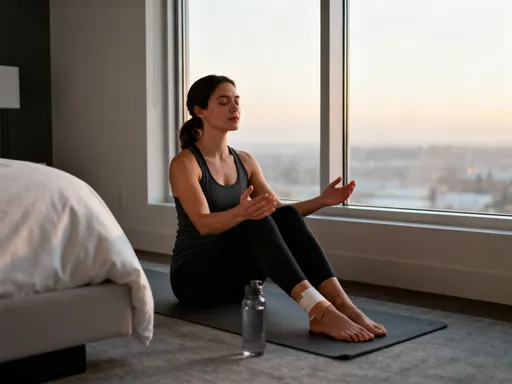
Sleep is another cornerstone. Without enough rest, your body struggles to recover from daily activity, and your motivation to move plummets. Aim for 7 to 8 hours of quality sleep each night. To support this, consider adding a short stretching or breathing routine before bed. This signals to your body that it’s time to wind down and can improve sleep quality over time.
Meal timing also plays a role. Moving after meals—especially after lunch or dinner—helps regulate blood sugar and supports digestion. A 10- to 15-minute walk after eating can prevent that sluggish, heavy feeling and reduce insulin spikes. Similarly, eating a small, balanced snack—like a piece of fruit with nuts—before a movement session can provide the energy you need without weighing you down.
When these habits come together, they amplify each other. Drinking water makes movement easier. Moving after meals improves digestion. Better sleep increases energy for activity. This holistic approach means you’re not just exercising—you’re building a lifestyle that naturally supports your health. And that’s where real, lasting change happens.
Real Life, Real Results: Small Shifts, Big Gains
The results of daily movement may not show up on a scale right away, but they will show up in your daily life. Women who adopt this approach often report standing taller, moving with more ease, and feeling less stiffness in their joints. Simple tasks—like carrying groceries, climbing stairs, or playing with grandchildren—become less tiring and more enjoyable.
Many also notice improvements in focus and mood. Regular movement helps reduce stress hormones and increases endorphins, leading to a calmer, more balanced mindset. Over time, this builds resilience—not just physical, but emotional. You begin to trust your body again. You feel more capable, more present, and more in control of your health.
These changes may seem small at first, but they compound. Better posture reduces back pain. Steadier energy reduces reliance on caffeine. Improved sleep enhances daytime focus. And the confidence that comes from showing up for yourself—even in small ways—can ripple into other areas of life. You start making healthier food choices, setting better boundaries, and prioritizing self-care without guilt.
There’s no need for dramatic transformations or extreme goals. The real victory is in the daily choice to move, to care for your body, and to honor your long-term well-being. This isn’t about looking a certain way—it’s about feeling strong, capable, and alive in your own skin. And the best part? You don’t have to be perfect. You just have to be consistent.
True health isn’t found in extreme routines—it grows from tiny, repeated choices. By embracing daily movement as a personal commitment, not a chore, anyone can build lasting vitality. This isn’t about perfection; it’s about showing up for yourself, one step at a time.